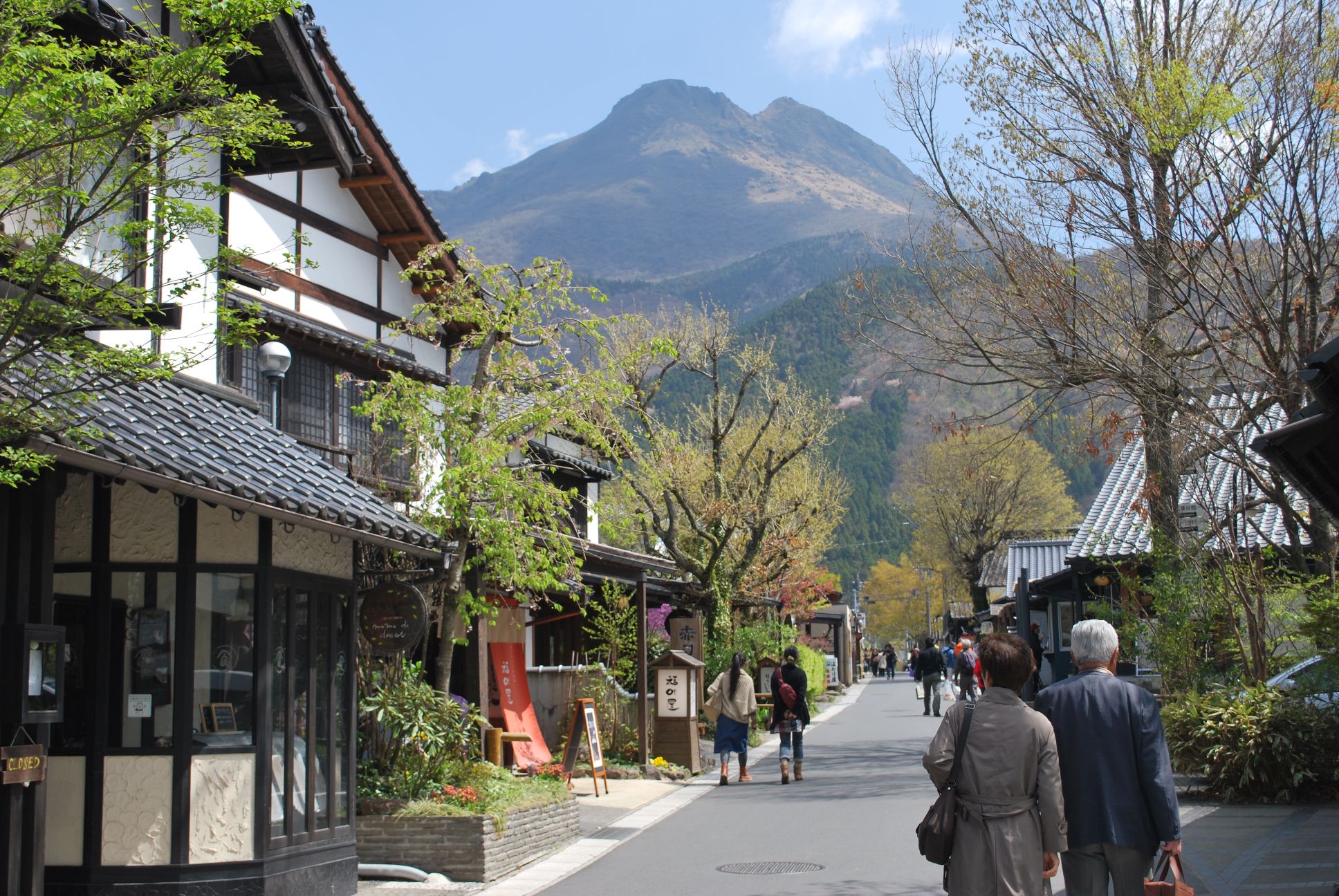
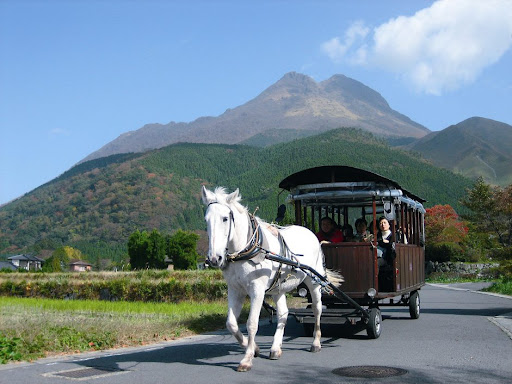
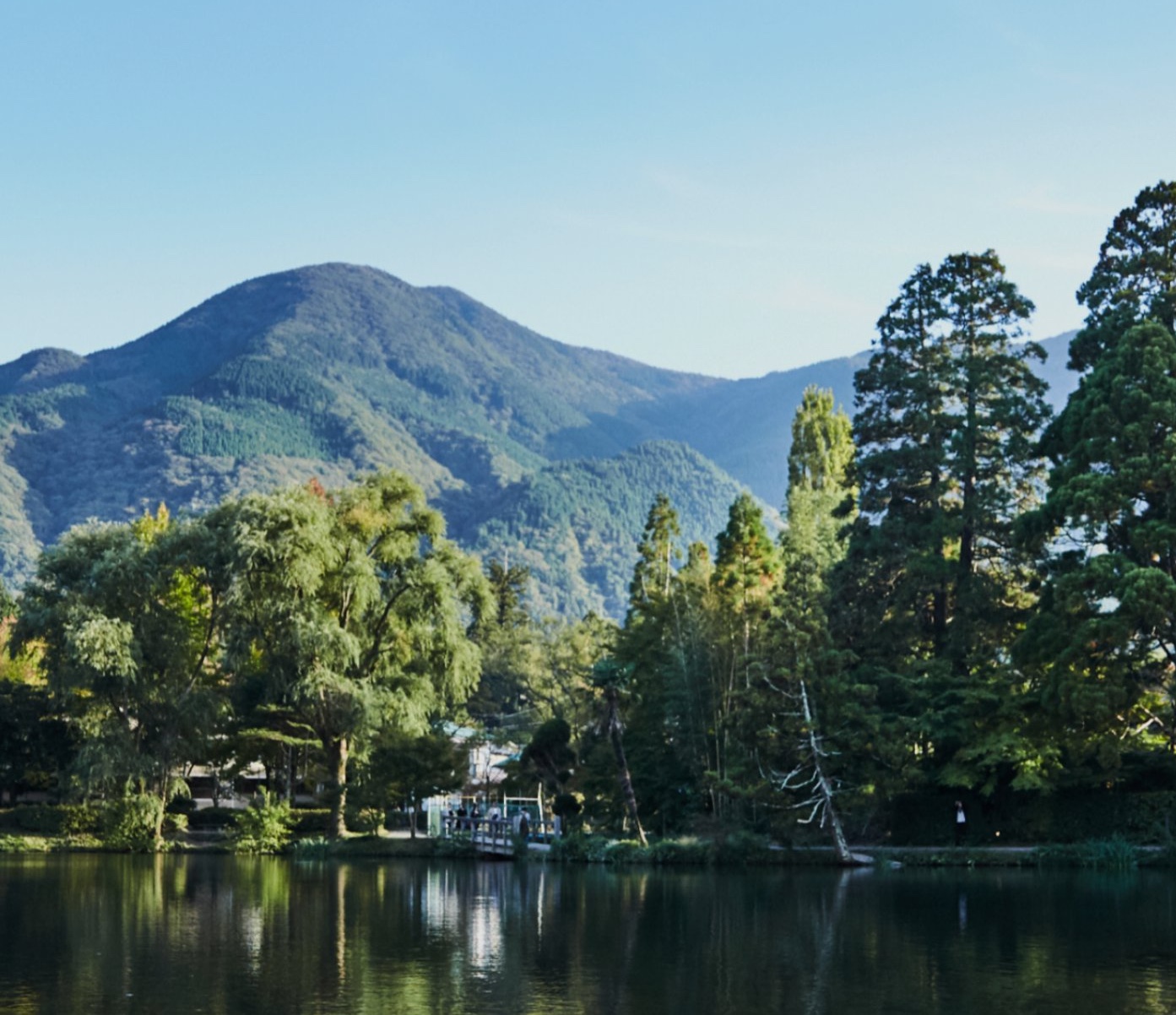
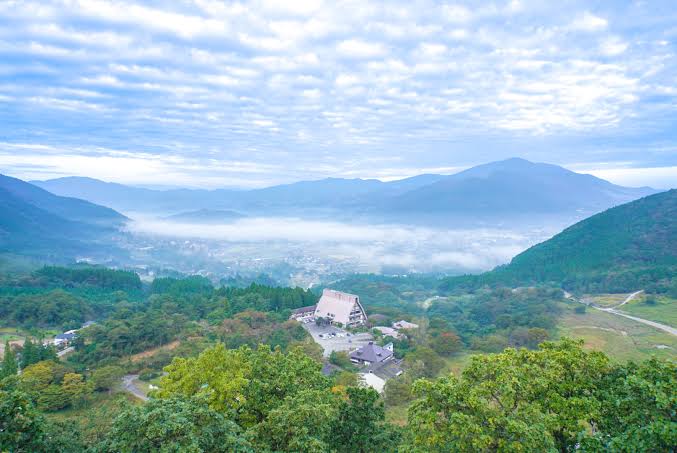
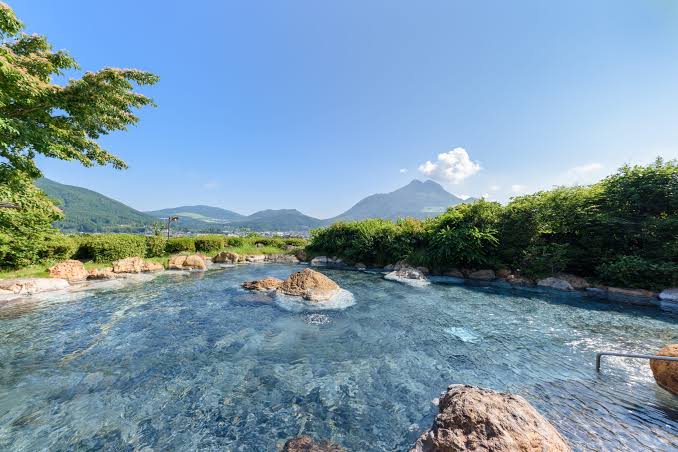
Yufuin sits in a wide mountain basin in Ōita Prefecture, Kyushu — cradled beneath Mt. Yufu (由布岳). The mountains pool mist into the center, creating a green, dewy atmosphere filled with moss and tranquility.
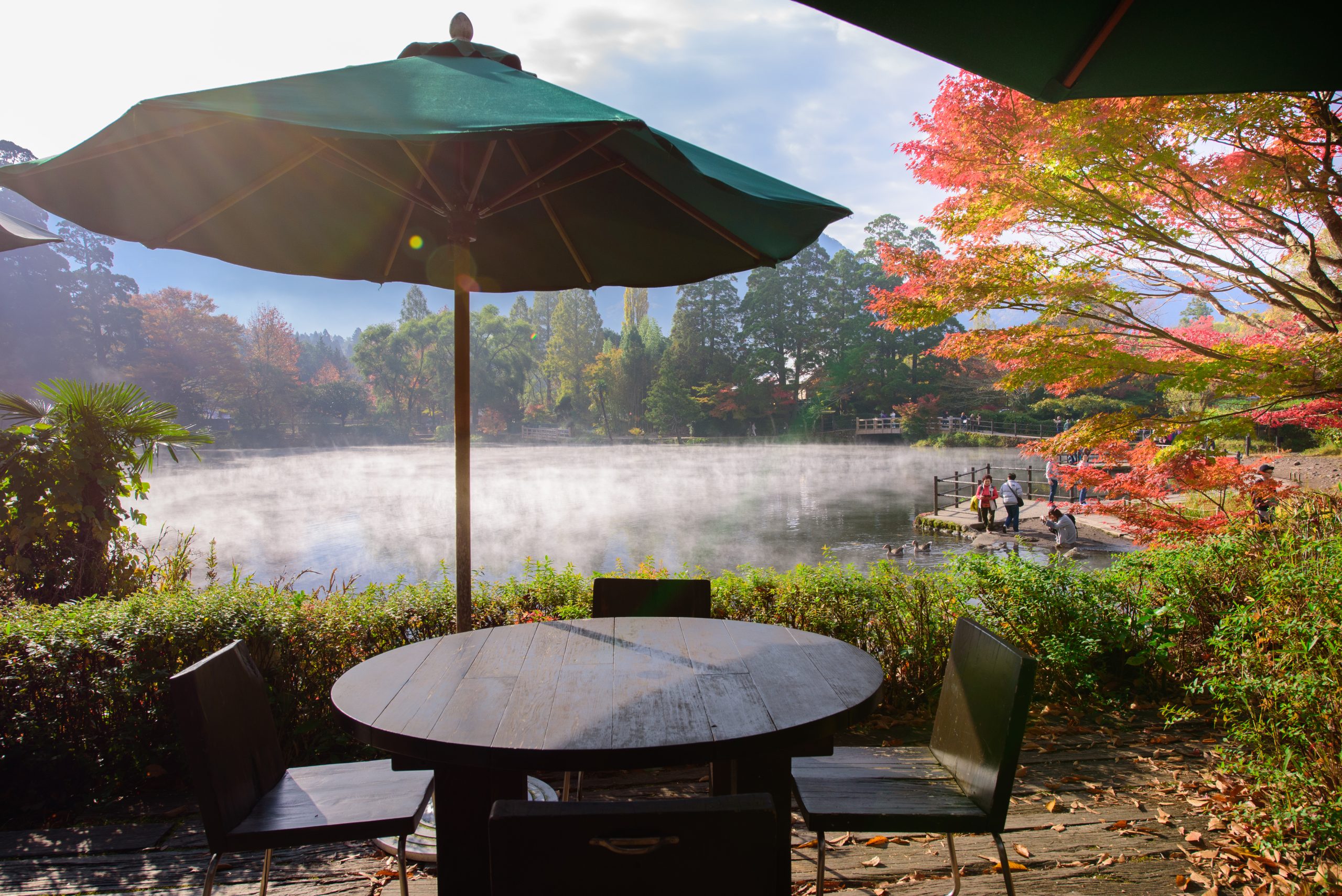
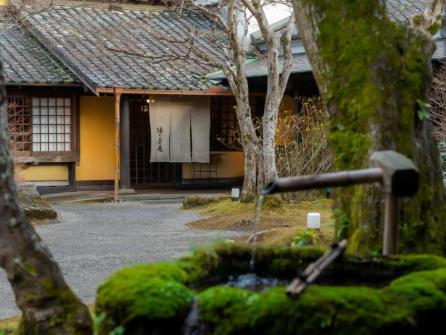
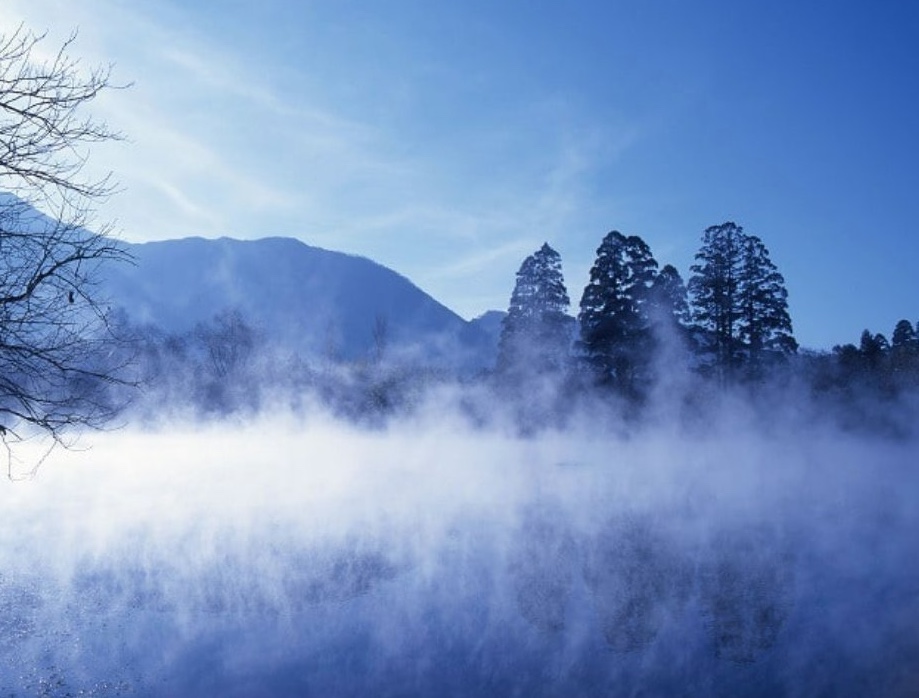
It is a small town — population around 11,000. Its quiet culture is unassuming and unpretentious. There are hot springs, art galleries, local sake, and a handful of longstanding inns. At the foot of the mountains is 金鱗湖 — a lake fed by both hot spring water and cold fresh water, which keeps its temperature high year-round. In late autumn, on cool early mornings, thick mist rises off the surface. The name comes from a 19th-century scholar who saw the fish scales glittering gold in the afternoon light.
Suzuka first came here around age two, brought by her parents from nearby Kumamoto. She has been back many times since. It is the place she wrote about in middle school when she needed to feel calm. It is the place she thought of from Belmont, from Tokyo, from New York.


"I always fail to describe the town to other people — it has a certain mystic, dreamy quality, like a deserted fairground at night." — Suzuka, writing about Yufuin in a middle school essay
Yufuin is a walking town. Here are a few things to find on a slow morning or afternoon.
All within walking distance or a very short drive from Yufuin Station.


The name comes from a 19th-century scholar who saw the scales of the fish glittering gold in the late afternoon sun. But the best time to come is early morning. Both hot spring water and cold fresh water flow into the lake, keeping the temperature high year-round — so in the cool autumn air, mist rises off the surface in thick white columns. A five-minute drive from the station. Walk around the lake slowly. It takes twenty minutes and you will want to stay longer.


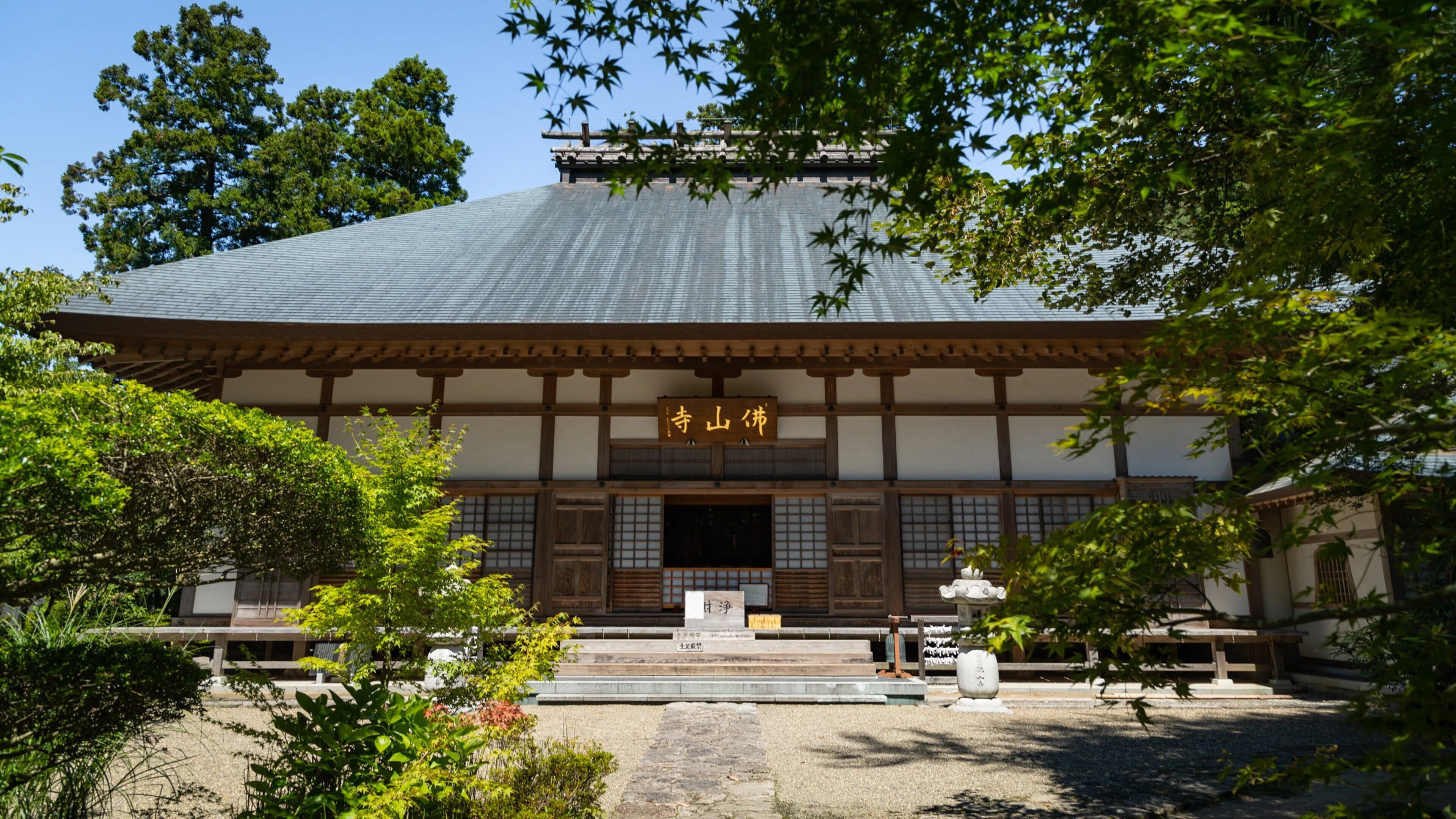
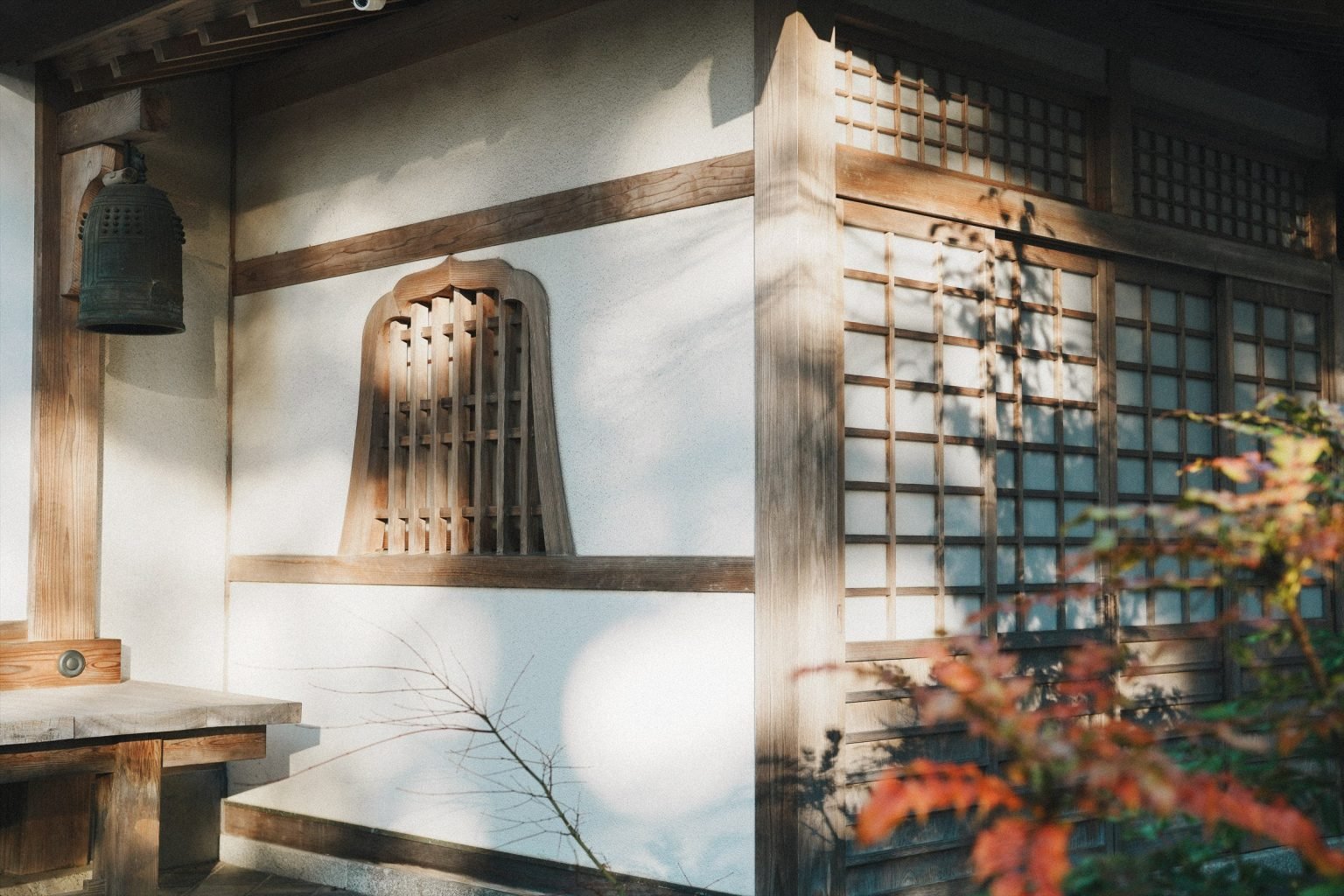
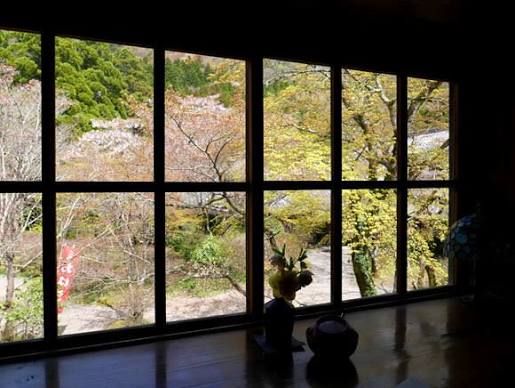
The oldest wooden building in Yufuin — a small Rinzai Zen temple founded in the Heian period, once a site of mountain worship on Mt. Yufu. Inside the grounds is a five-colored camellia tree designated as a natural monument by the city: when it blooms, it opens in pink, white, and red on the same branches. There is also a ginkgo, and a meditation hall where zazen and shakyo (sutra-copying) can be arranged by appointment. Even if you only walk through, it is a good place to be.


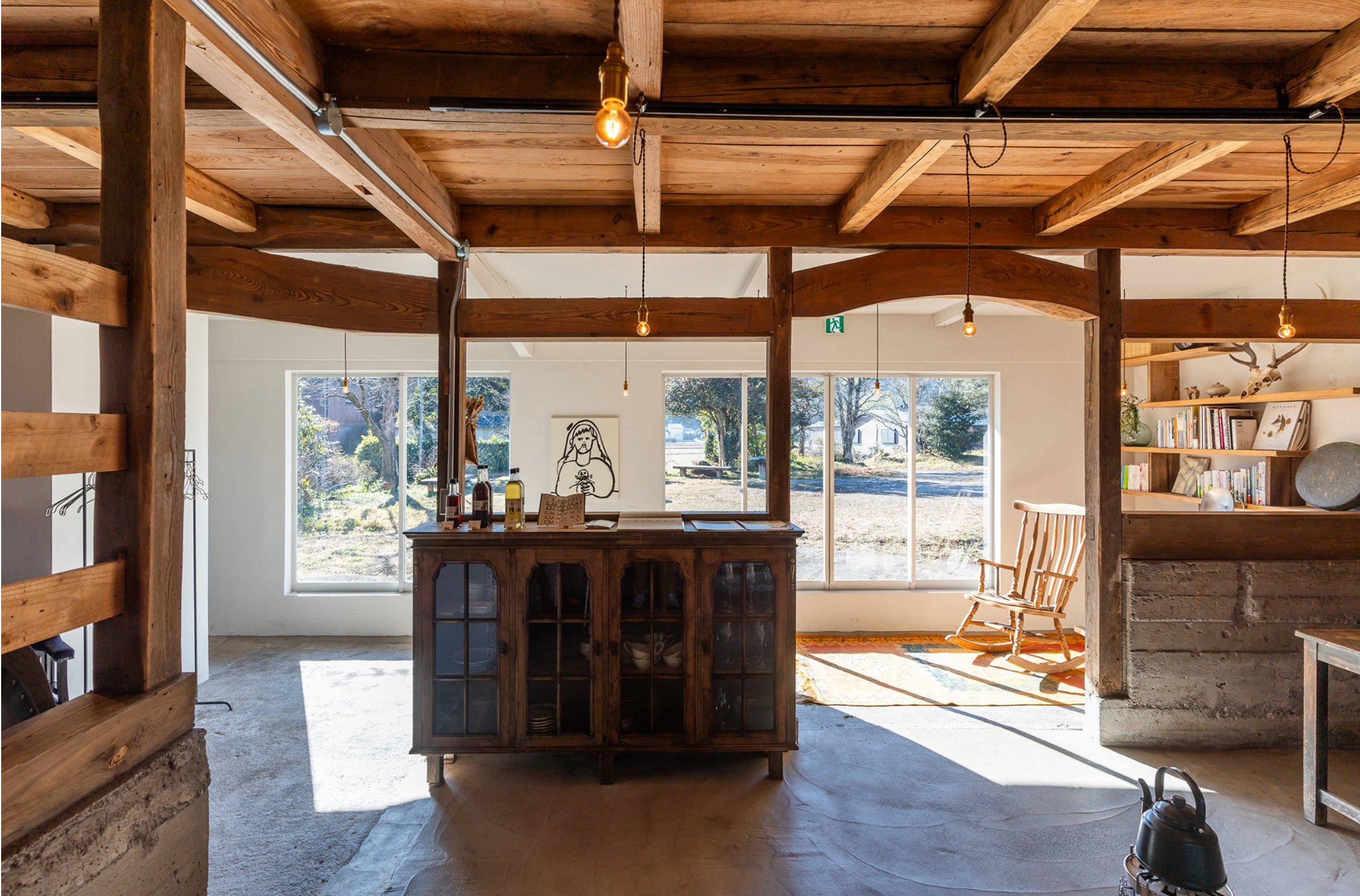
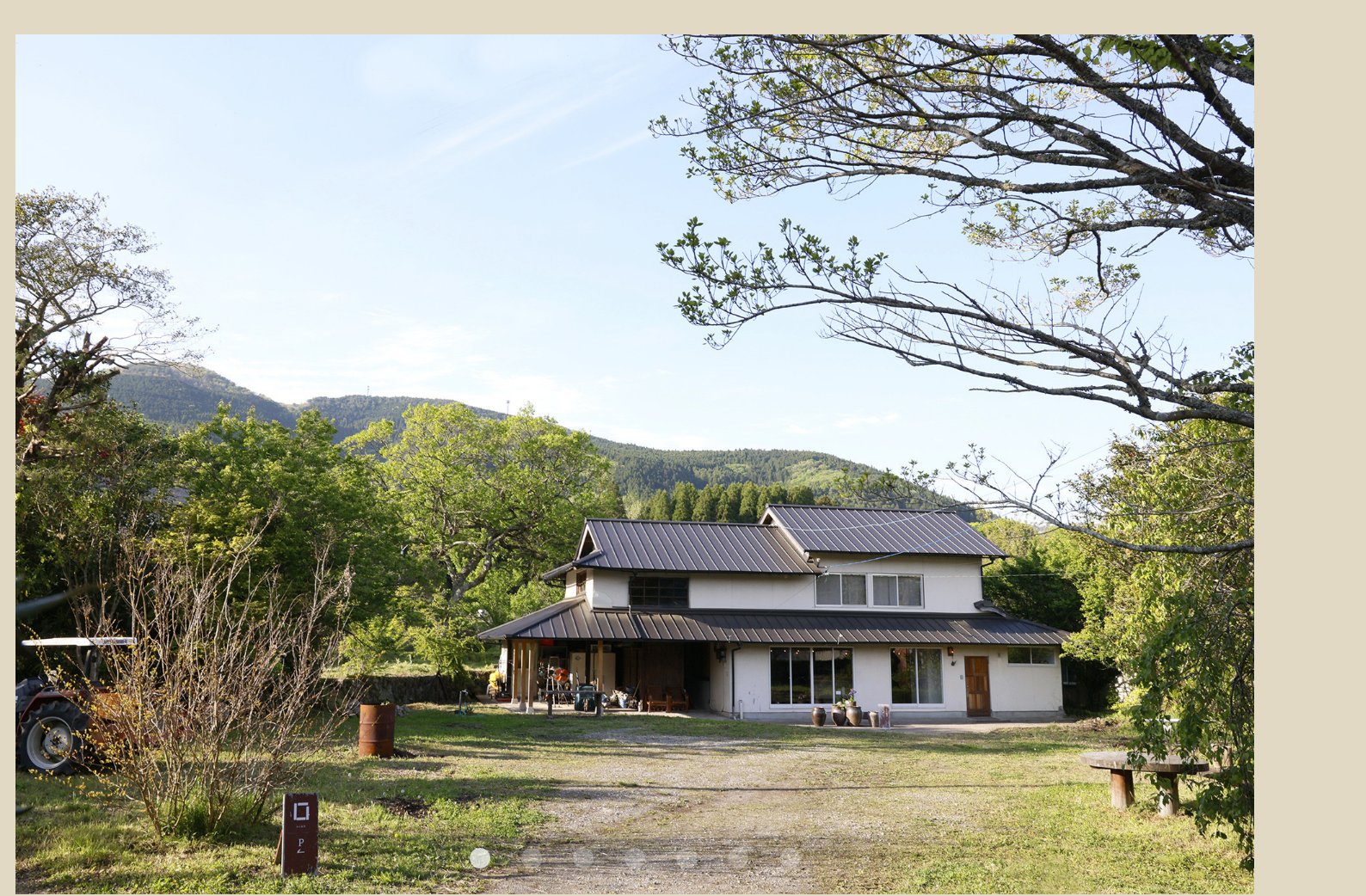
A post-war farmhouse that was once a cowshed, transformed into a community cafe and gallery. Books, clothes, local groceries, art exhibitions, irregular events. Not trying to attract anyone in particular, which is exactly why it draws the right people.


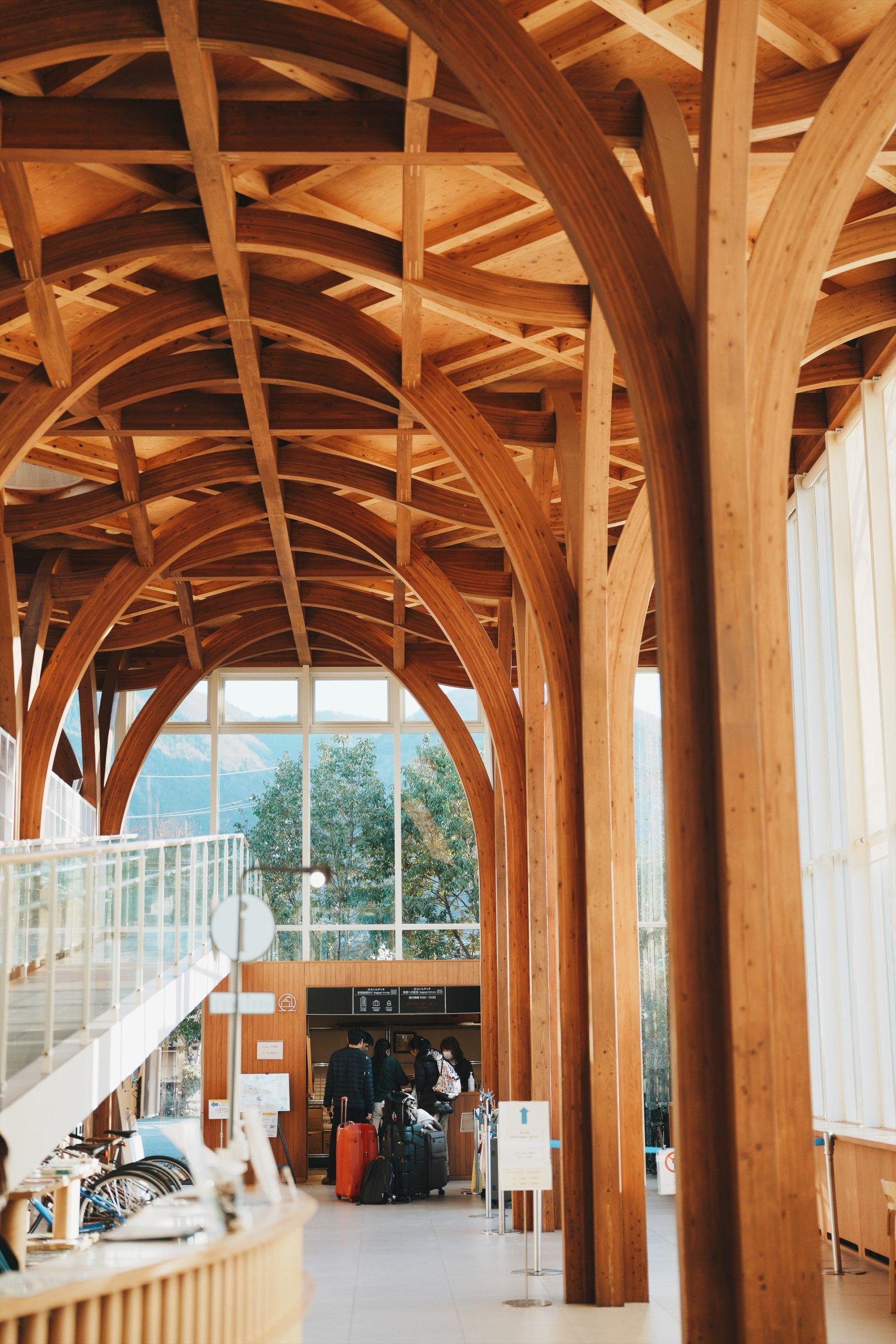
The JR Yufuin Station was designed by Arata Isozaki — one of the great architects of the 20th century, born in Ōita. The soaring wooden arches inside are extraordinary for a small rural station. The waiting room doubles as an art gallery.
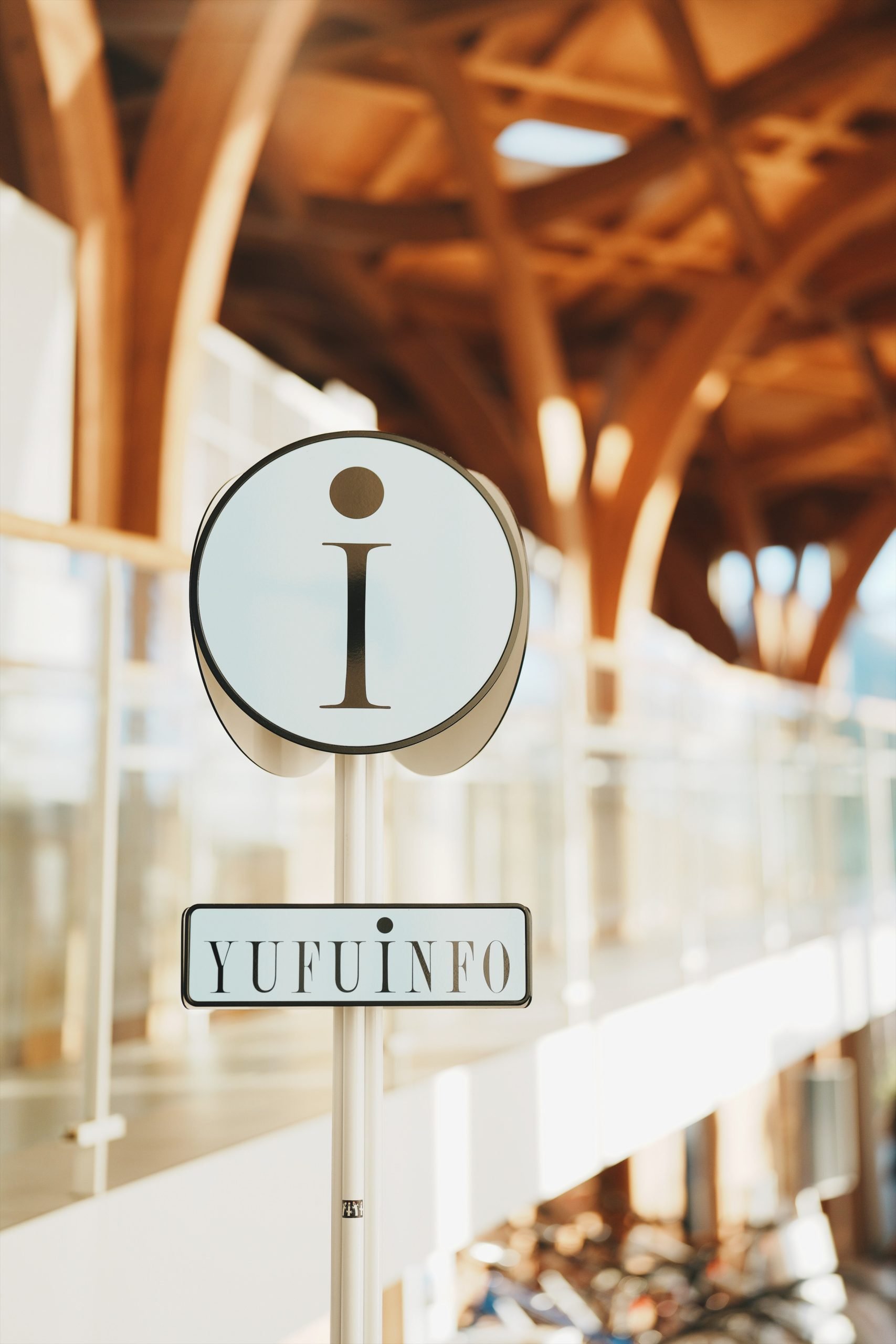
Next door is YUFUiNFO, the town's tourist information center. On the ground floor: maps, coin lockers, bicycle rental, and a luggage forwarding service called ゆふいんチッキ — you can leave your bags here and they'll be delivered to your inn, freeing you to walk straight into town. On the second floor: a travel library of ~2,000 books and a viewing deck with a direct view of Mt. Yufu. Open 9:00–17:30, year-round.
由布市湯布院町川北8-5 · Tel: 0977-84-2446
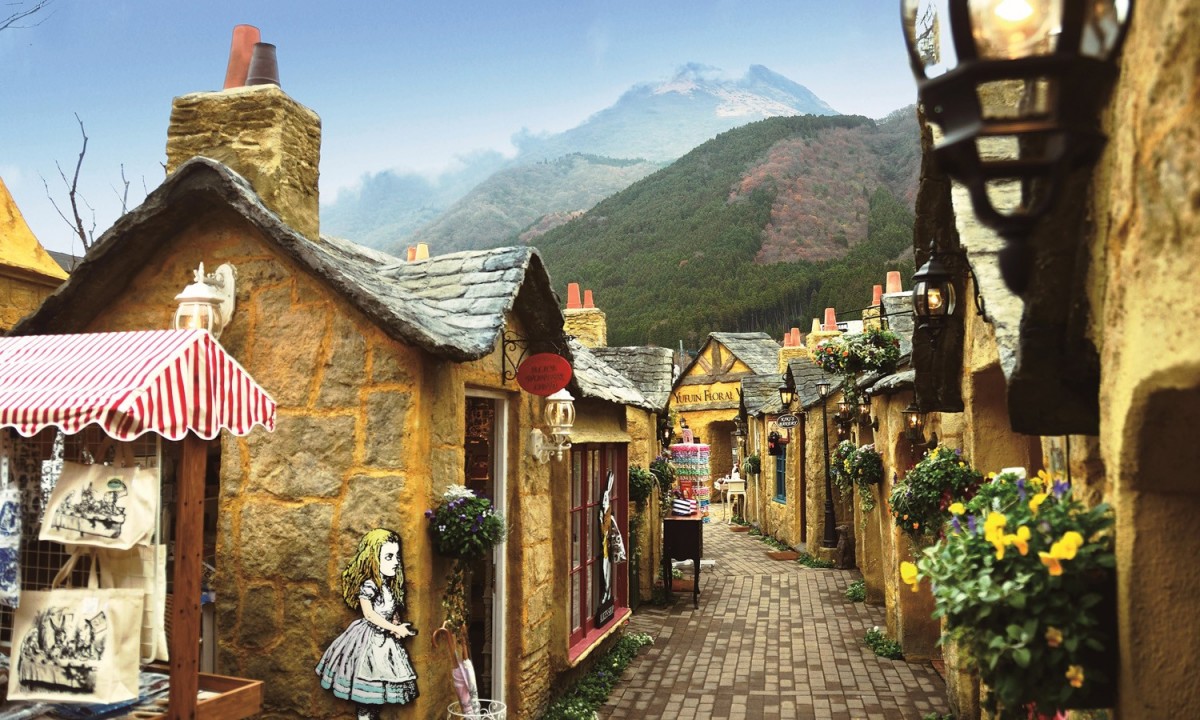
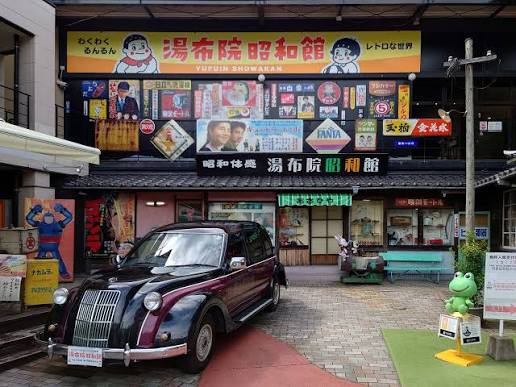
From JR Yufuin Station, follow the tree-lined 由布見通り straight to 白滝橋, then continue along 湯の坪街道 — roughly 800 metres of souvenir shops, sweets, and small cafes. On a clear day, Mt. Yufu appears at the end of the road. When you need a break from the crowds, duck down a side street: a quiet path runs along the upper 大分川, where the sounds shift to just water and birds.
大分県由布市湯布院町川南746-19
About 1km south of Yufuin Station
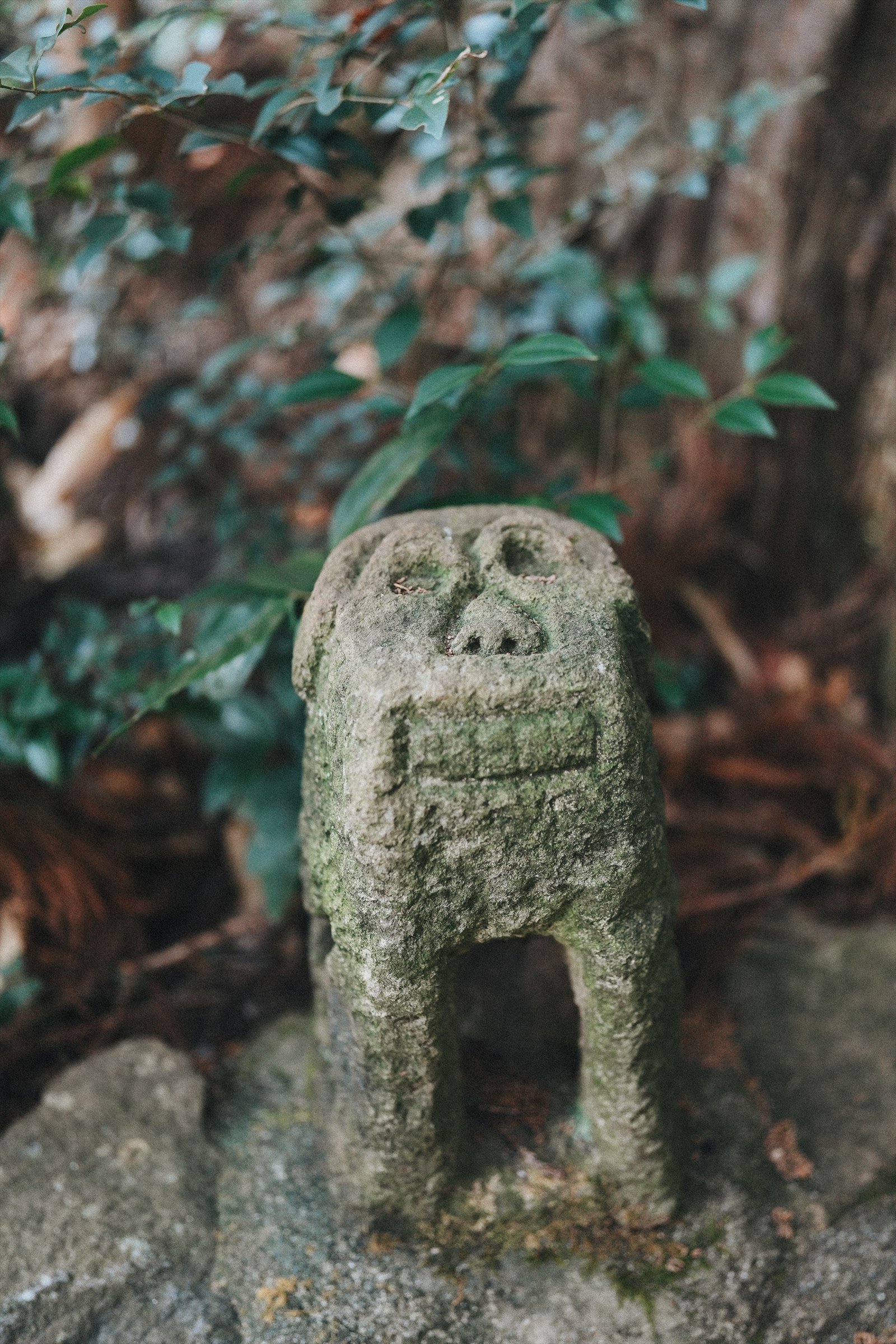
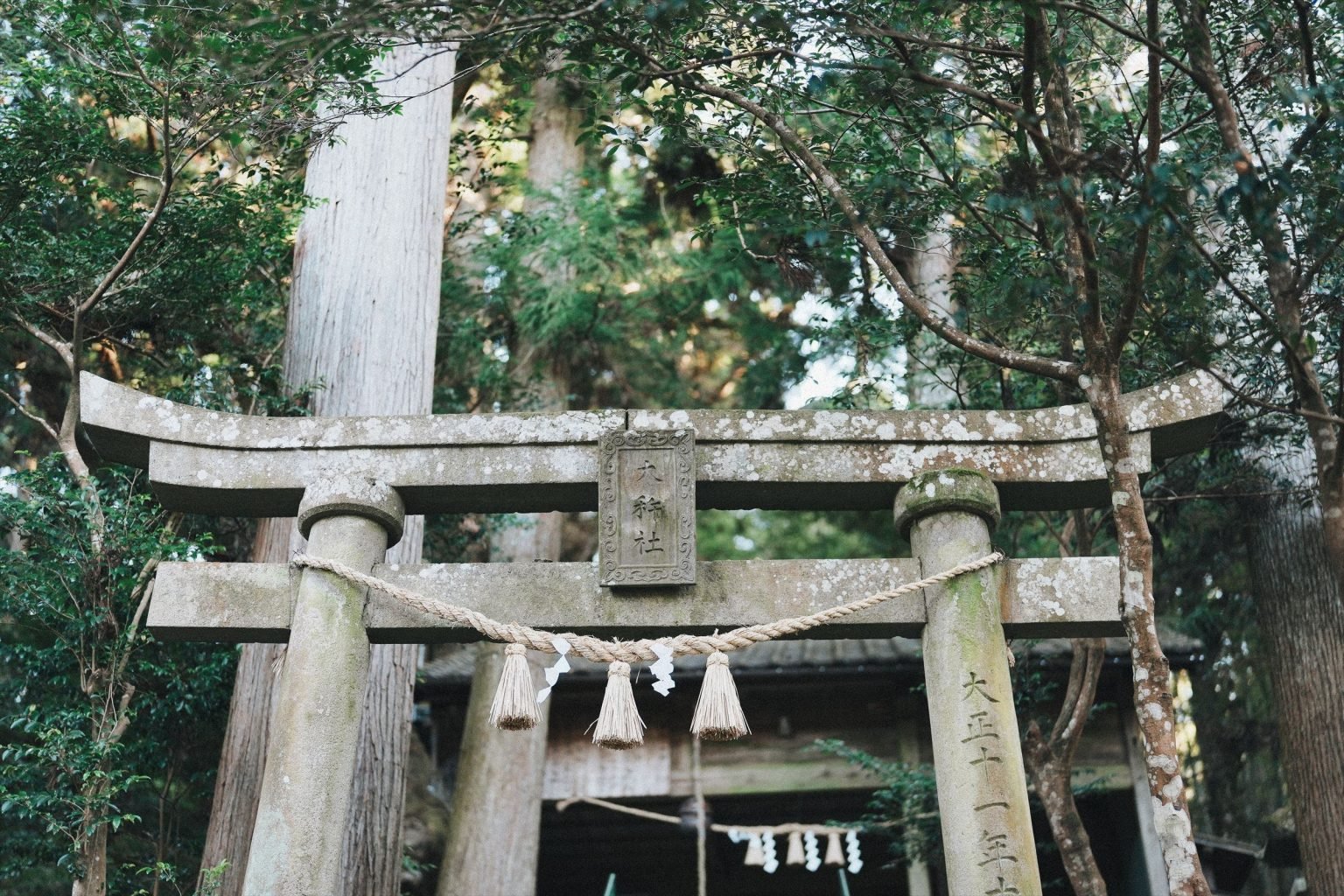
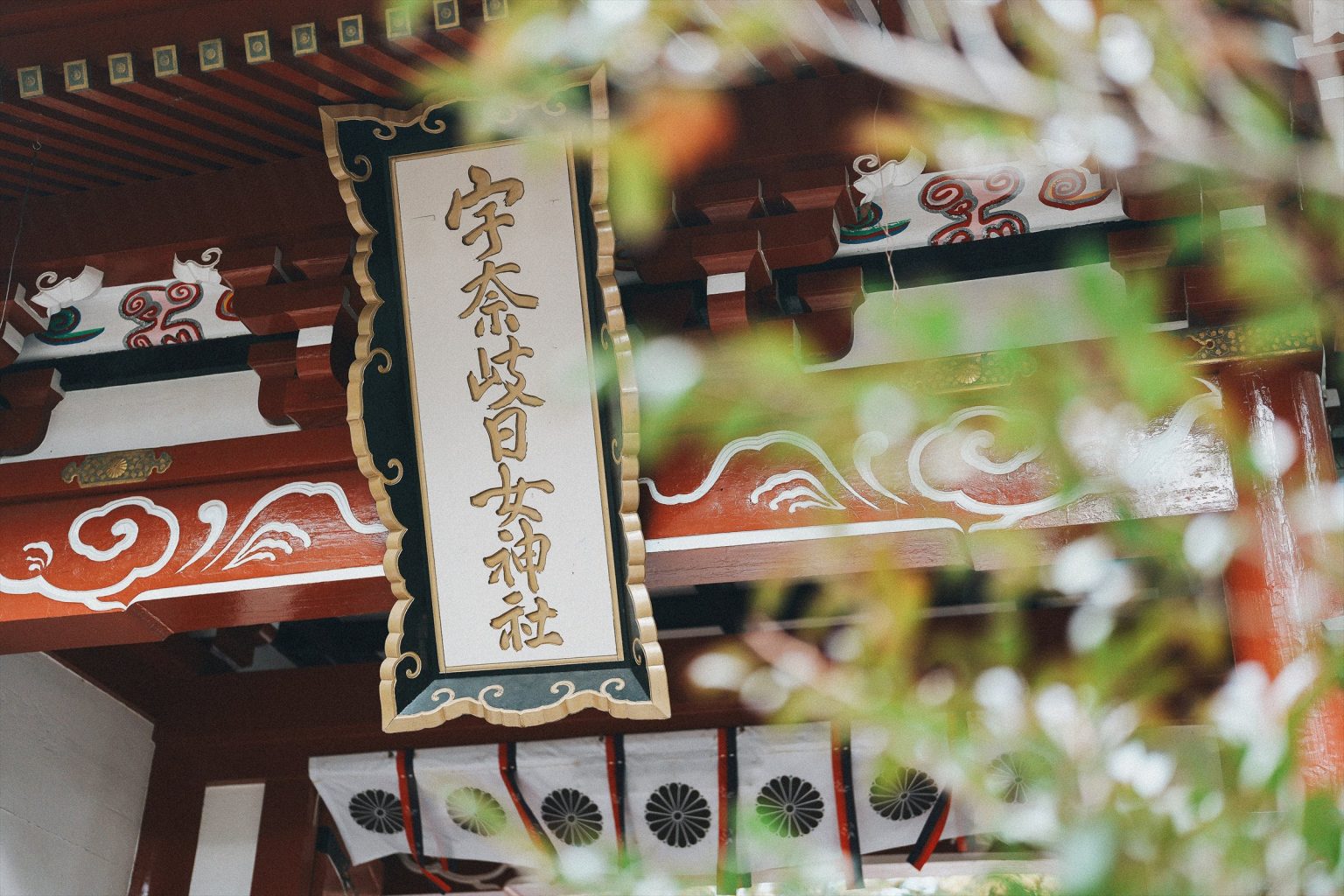
A small, unassuming shrine guarded by two ancient moss-covered komainu. The reason to come is the sacred cedar standing beside the main hall — over a thousand years old, a national natural monument, and extraordinary in person. You can touch it directly. Around the back of the trunk is a hollow large enough to hold three tatami mats, with a deity figure inside. Easy to visit, hard to forget.


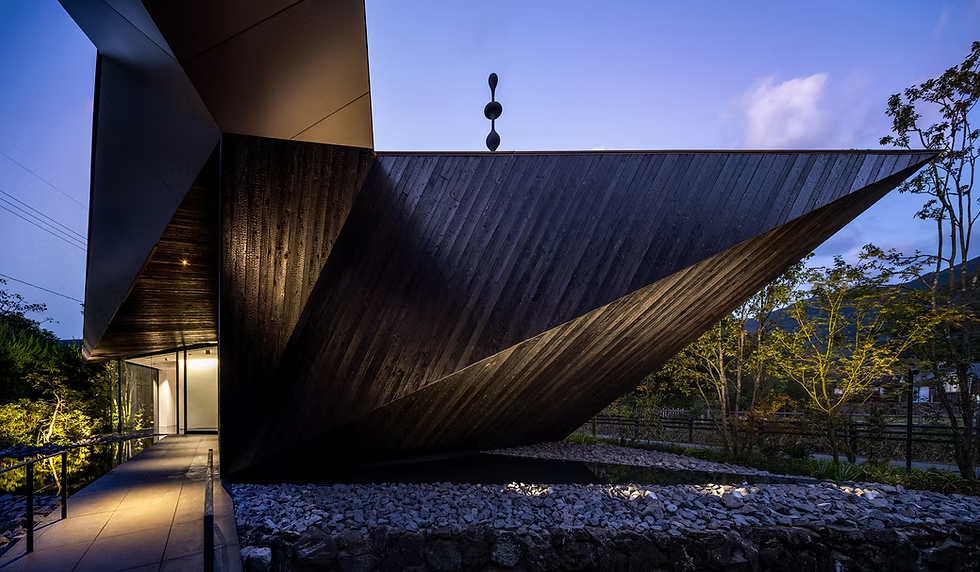
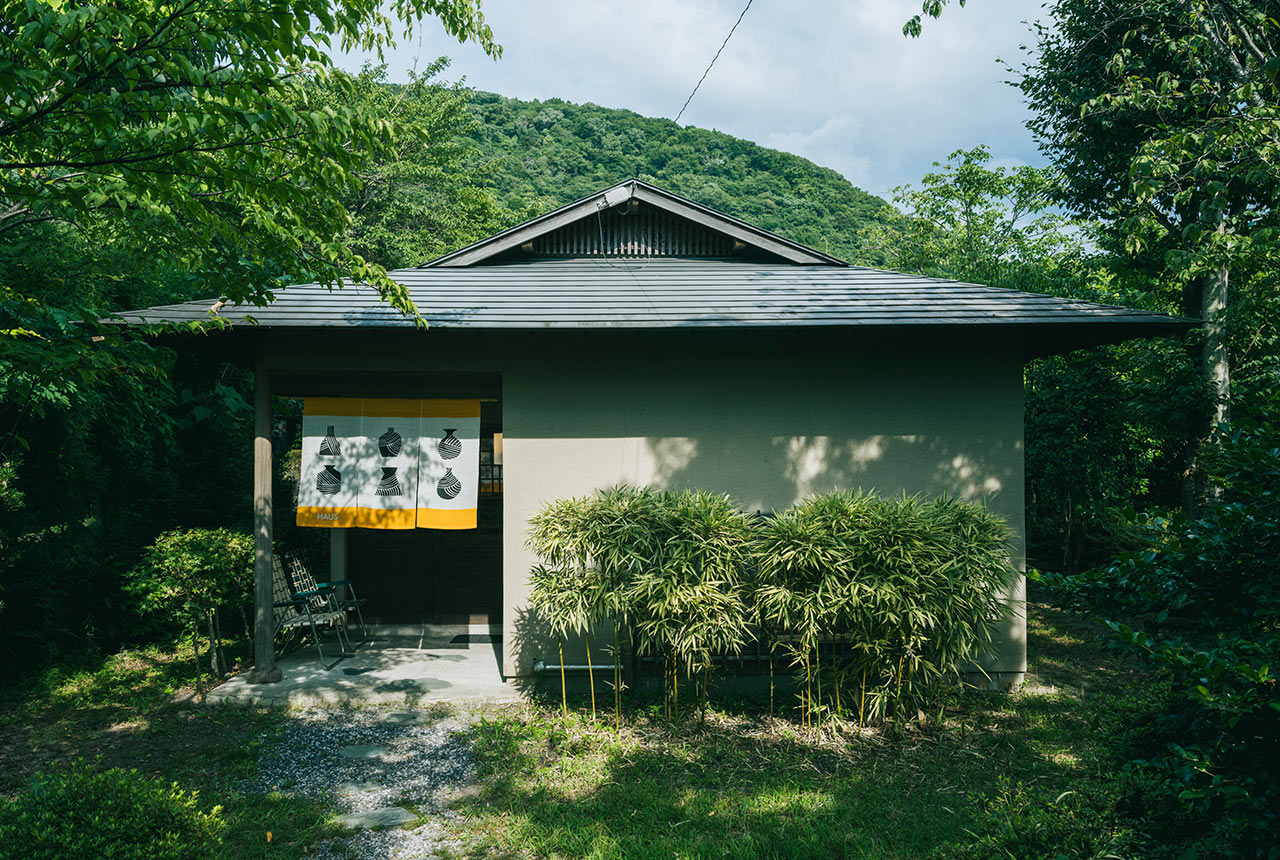
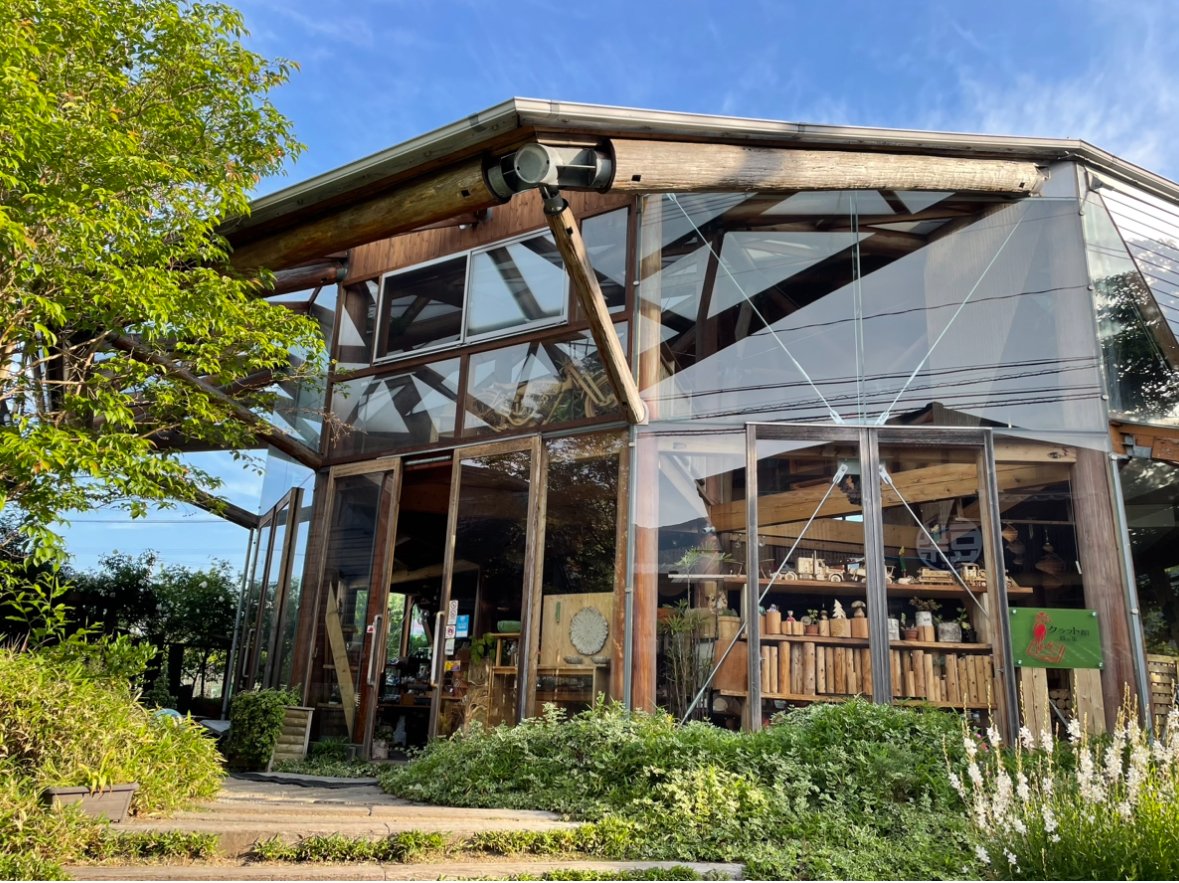
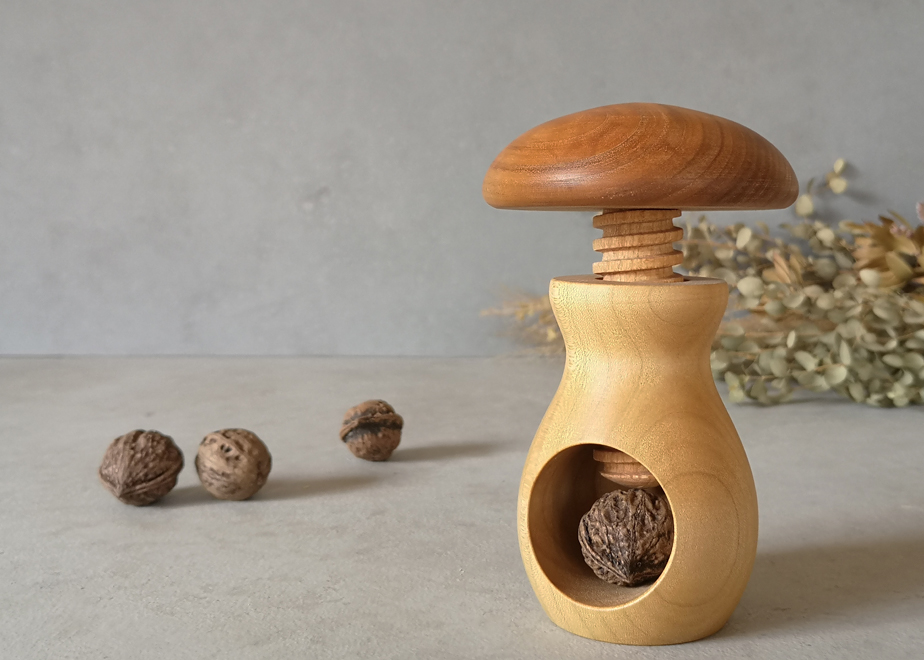
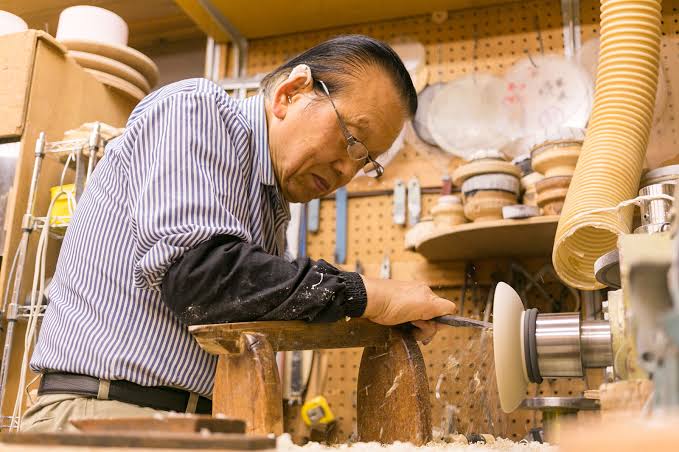
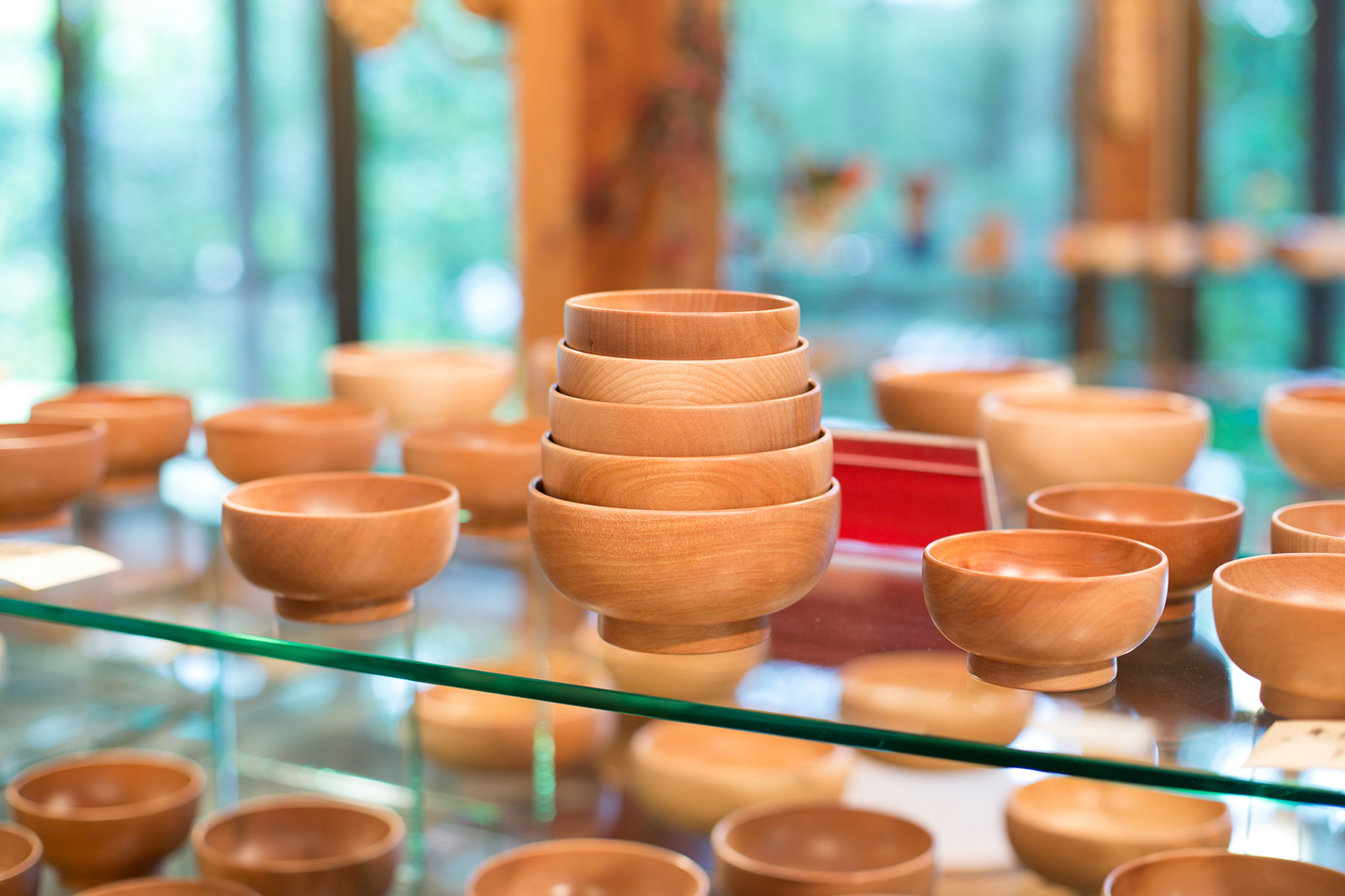
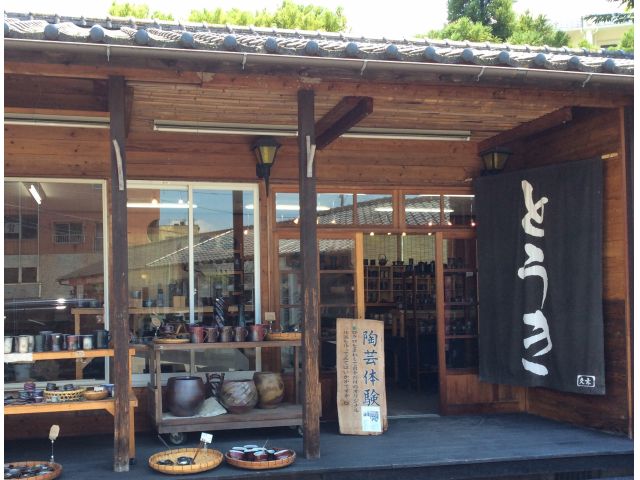
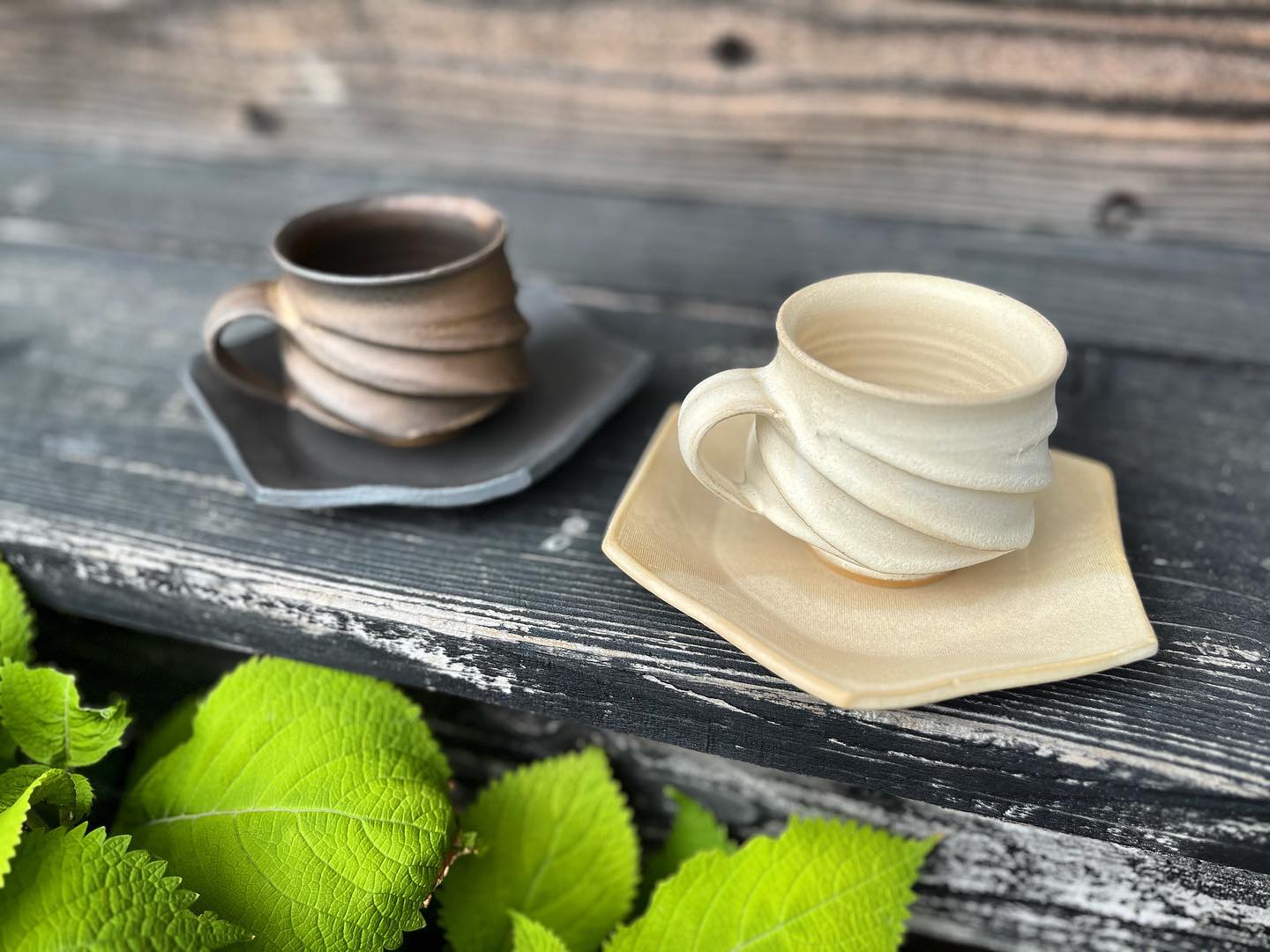
A distinctive craft gallery and shop with a unique angular glass-and-timber structure, filled with local pottery, woodwork, and handmade objects. The building itself is worth seeing — an unusual shape for a small town, something between a greenhouse and a workshop. Good for finding something to bring home that isn't available anywhere else.


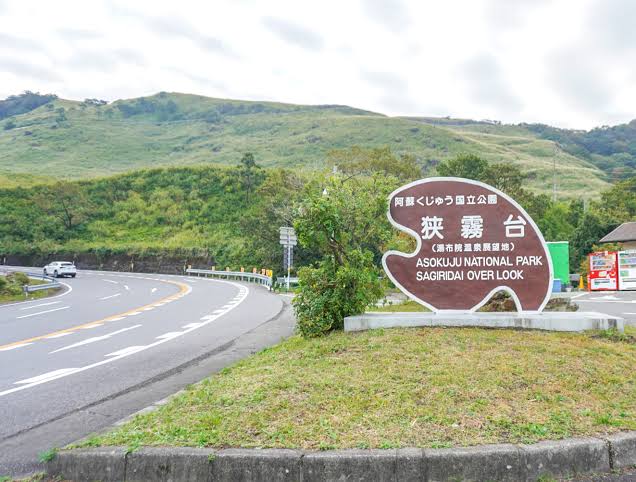
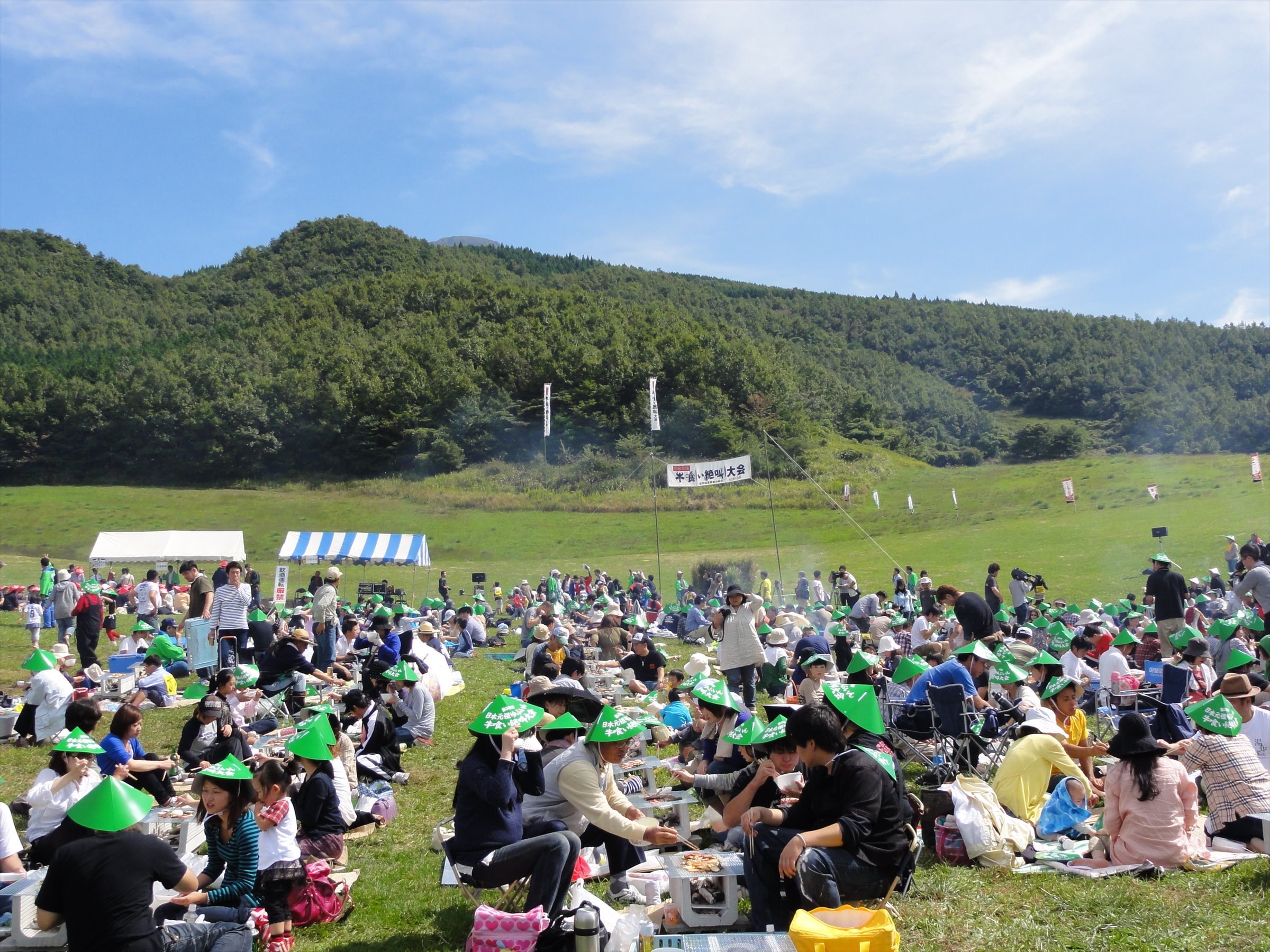
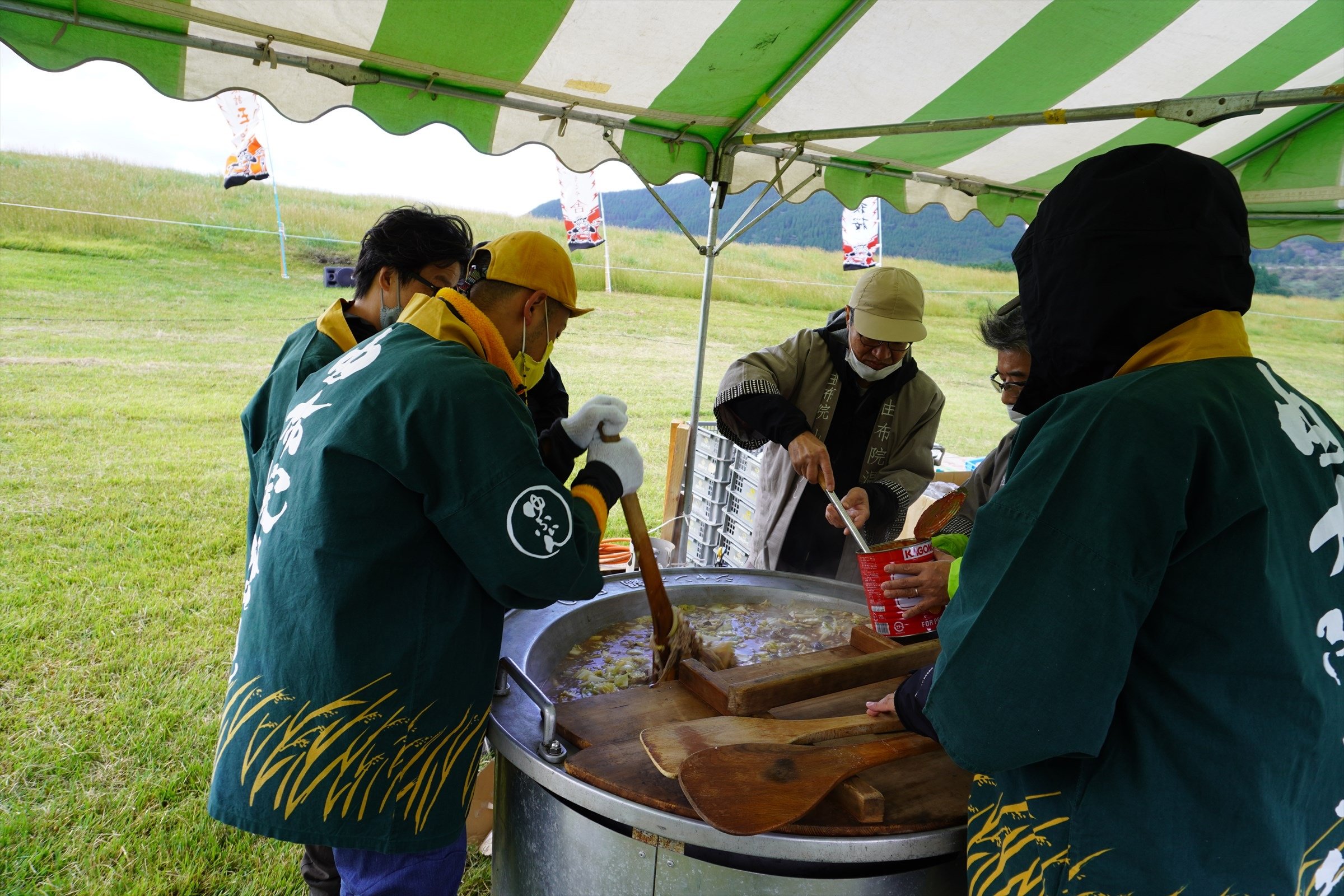
Every autumn, a large hillside pasture fills with people in green conical hats eating ゆふいん牛 beef BBQ — and then, when they have finished eating, screaming as loud as they can. Judges rate the volume and content. The silvergrass is in full sway. The mountains are behind everyone. It is exactly what it sounds like and it is apparently wonderful. Held in October — which is to say, it may coincide with your trip.
湯布院町 並柳牧場
The 山荘無量塔 complex and the small gallery next door — also listed in the Accommodation section.
由布市湯布院町川上1267-7
Tel: 0977-85-4516
Closed: irregular
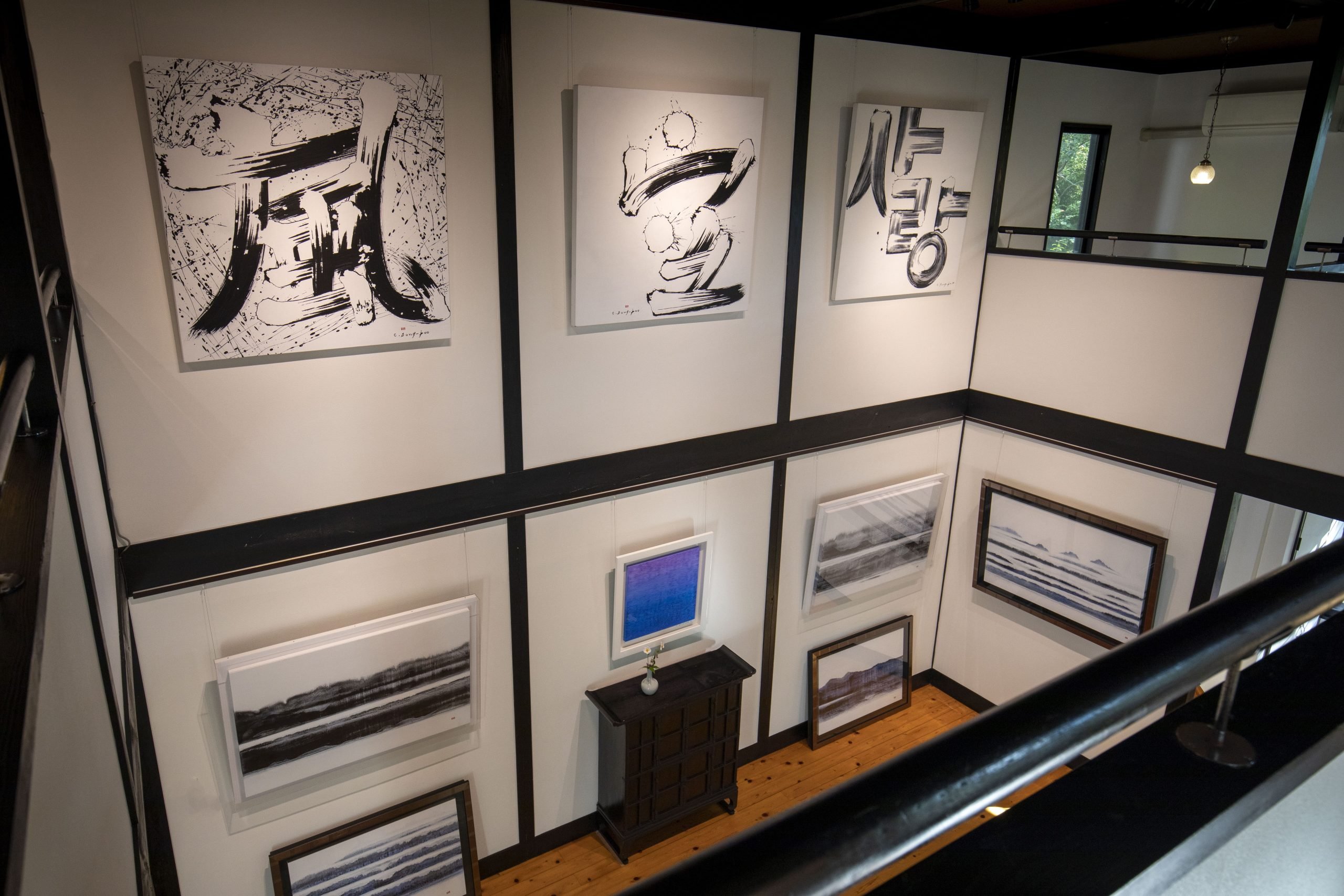
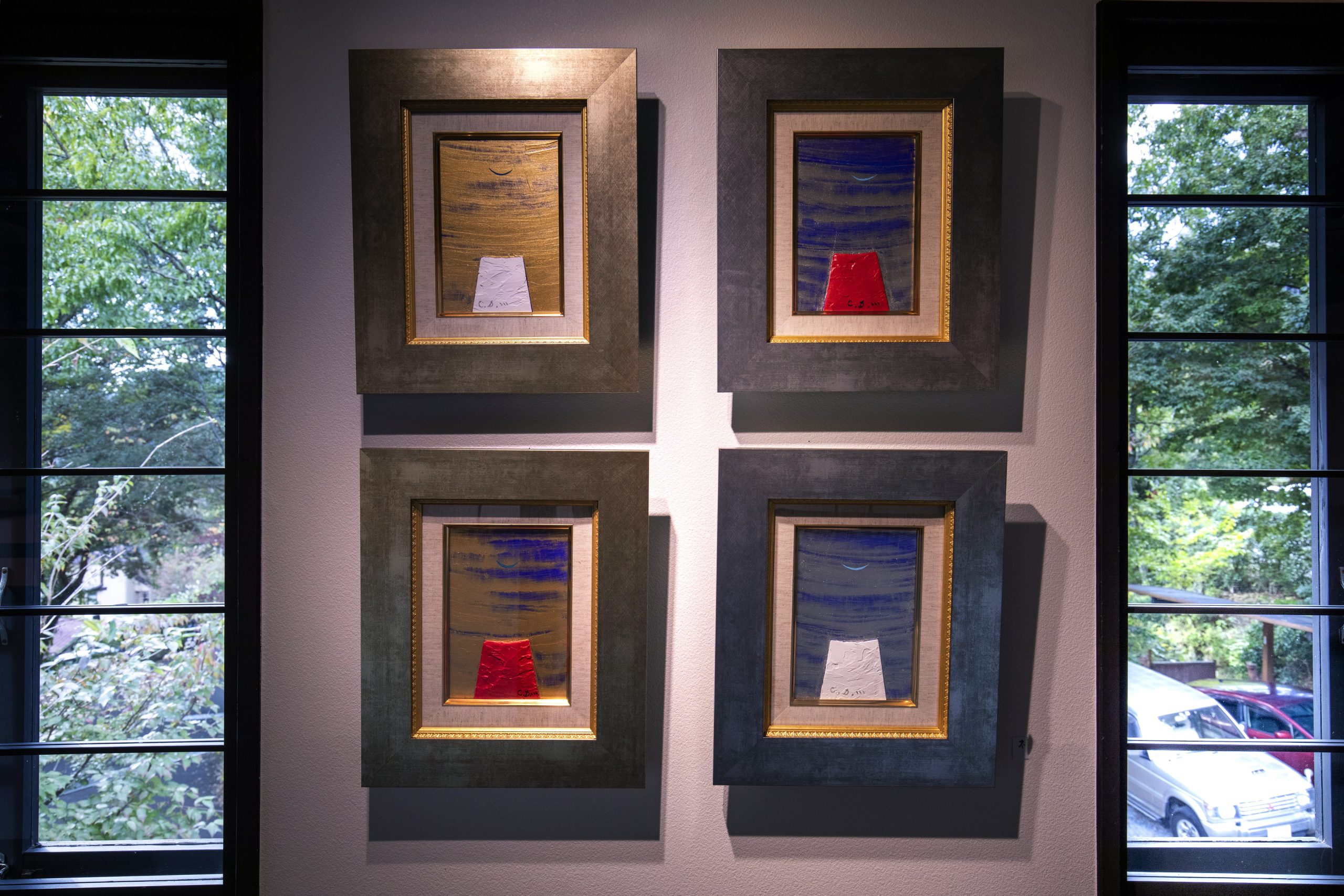
Right next to 空想の森 アルテジオ is this small gallery belonging to Chung Dongjoo, a Korean-Japanese artist living in Ōita. Calligraphy and works on paper arranged quietly across two floors — bold brushwork characters on the upper level, ink landscape paintings below. Soft natural light, a calm atmosphere, and the artist is often there in person. Free admission. Worth stepping into on the walk between アルテジオ and the rest of town.


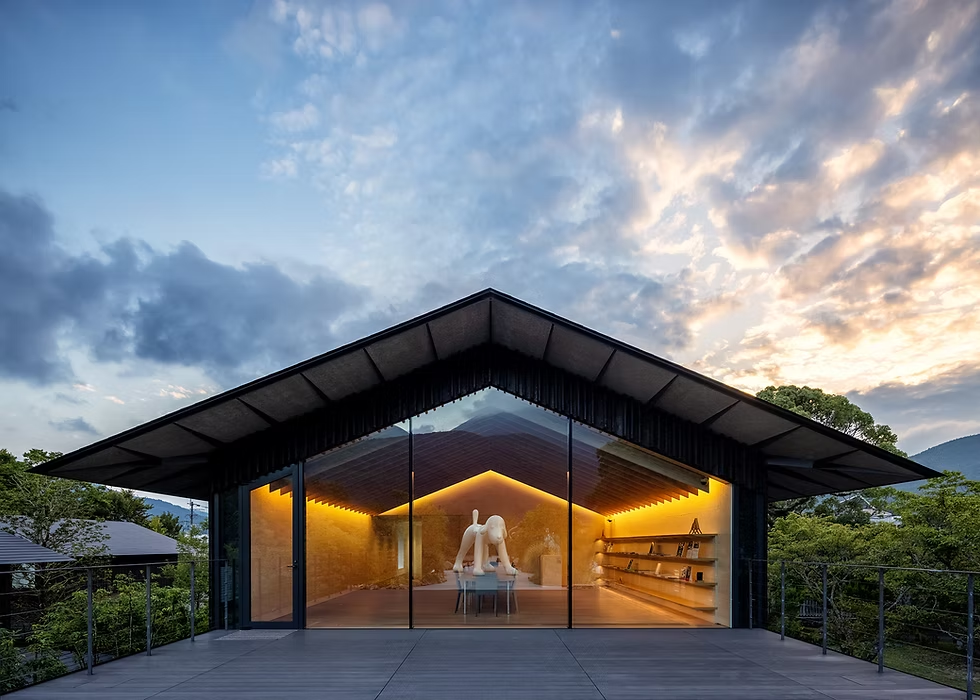
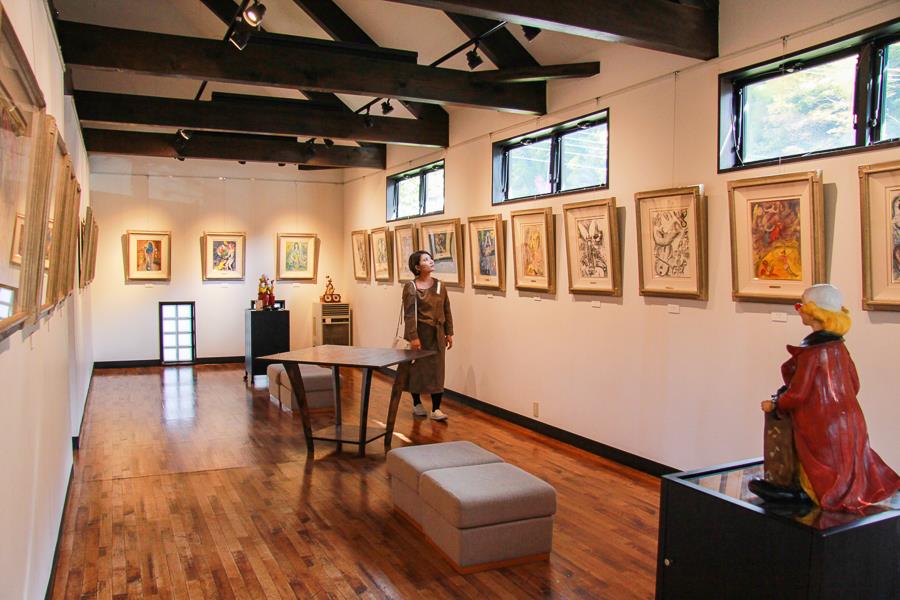
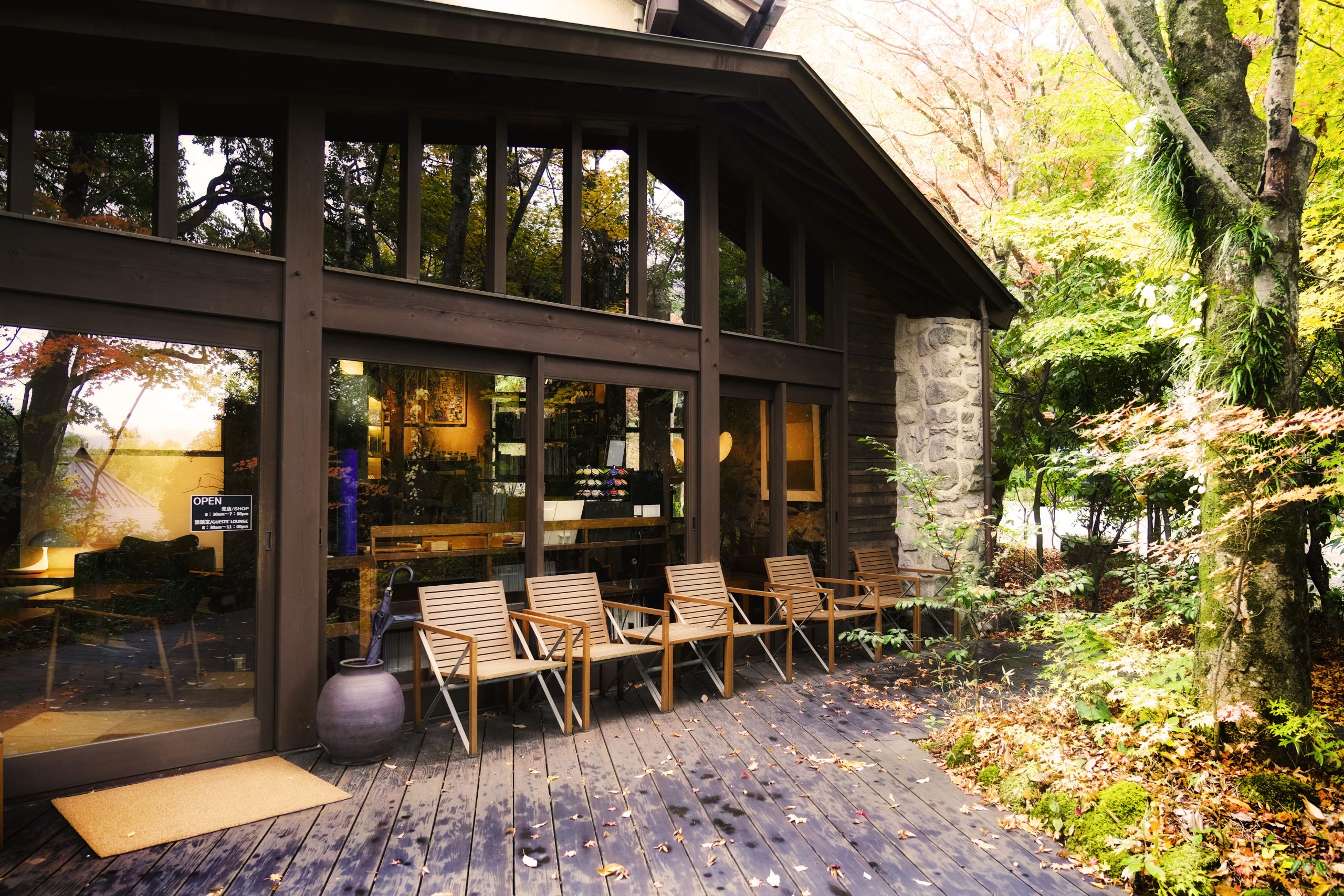
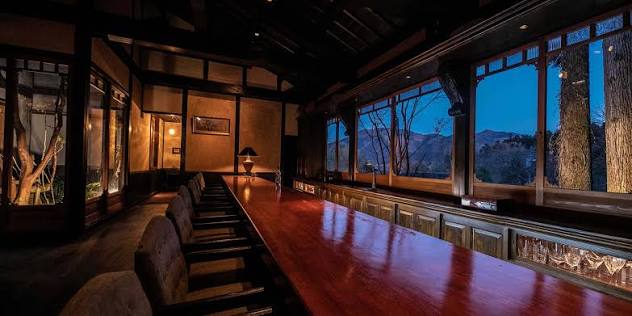
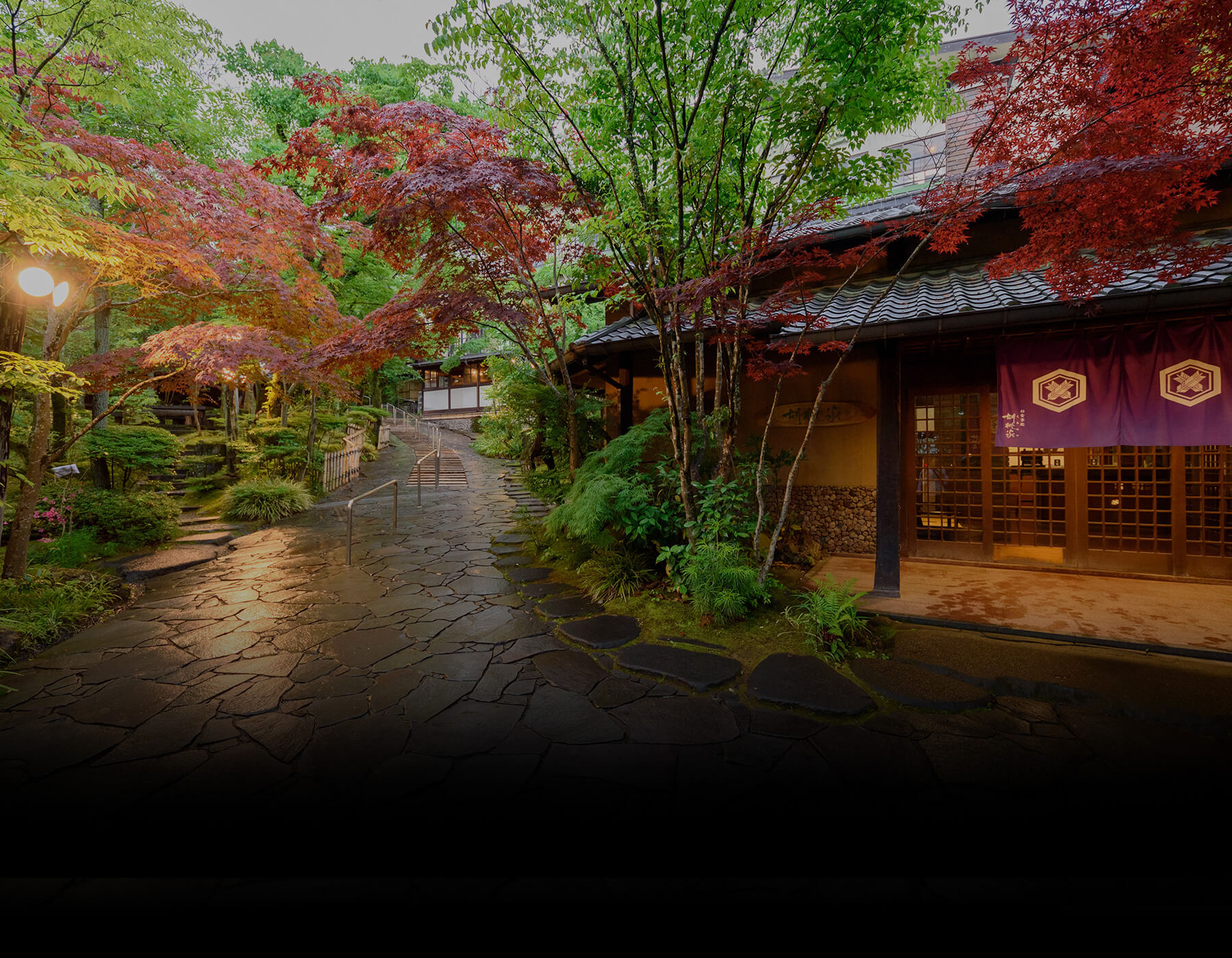
The ceremony is at 空想の森 アルテジオ, which sits inside the 山荘無量塔 complex. The inn itself is one of the most celebrated in Yufuin — deeply private, literary in feeling, connected by stone paths through a forest of old trees. But even if you aren't staying here, the grounds are worth spending time in. The complex includes a lounge bar, a soba restaurant, and a gift shop, each with its own distinct character.
大分県由布市湯布院町川上1264番地2 · Tel: 0977-84-5000

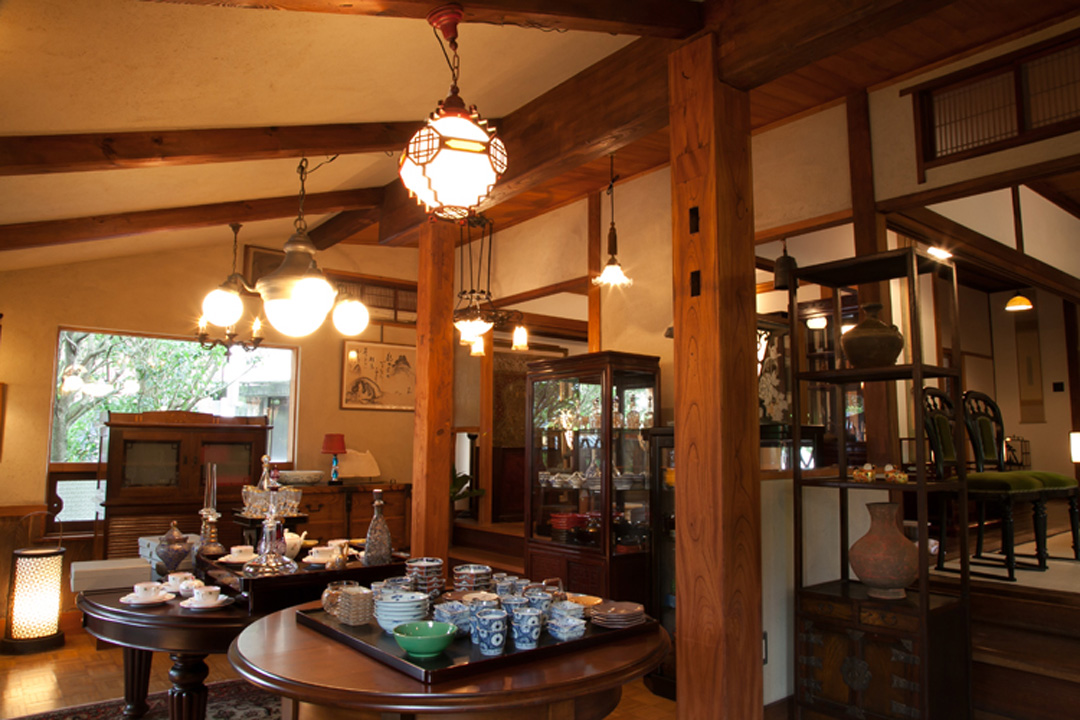
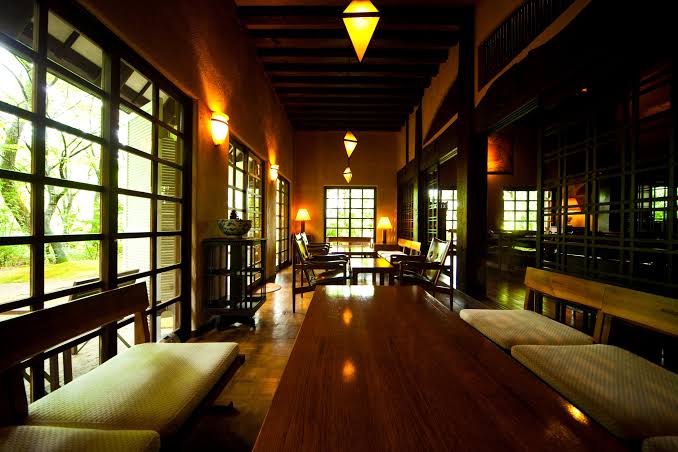
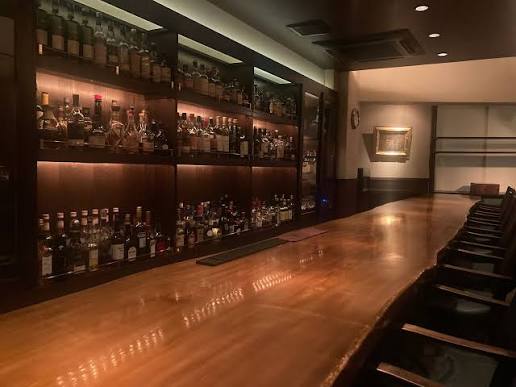
A Meiji-era farmhouse relocated and restored as the symbolic lounge of Murata. Over 200 spirits, original sweets, and a 1930s American theater speaker — the WE16A horn — that fills the room with classical music in the afternoon and jazz at night. Tea and coffee are complimentary for inn guests all day.


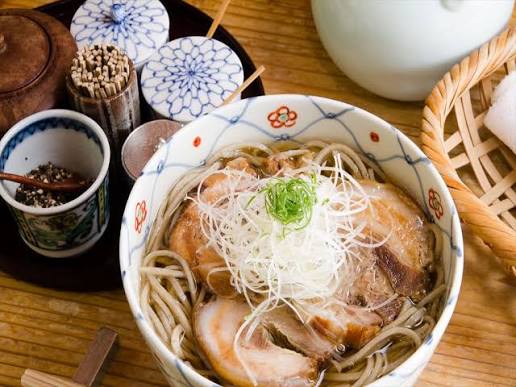
The signature dish is 黒豚蕎麦 — slow-braised black pork, white daikon, hot broth, black pepper — one of those bowls that is exactly what it should be. On clear days, the restaurant looks out over the Yufuin basin toward the Kuju mountains. Zaru soba from ¥1,200; black pork soba ¥2,300.


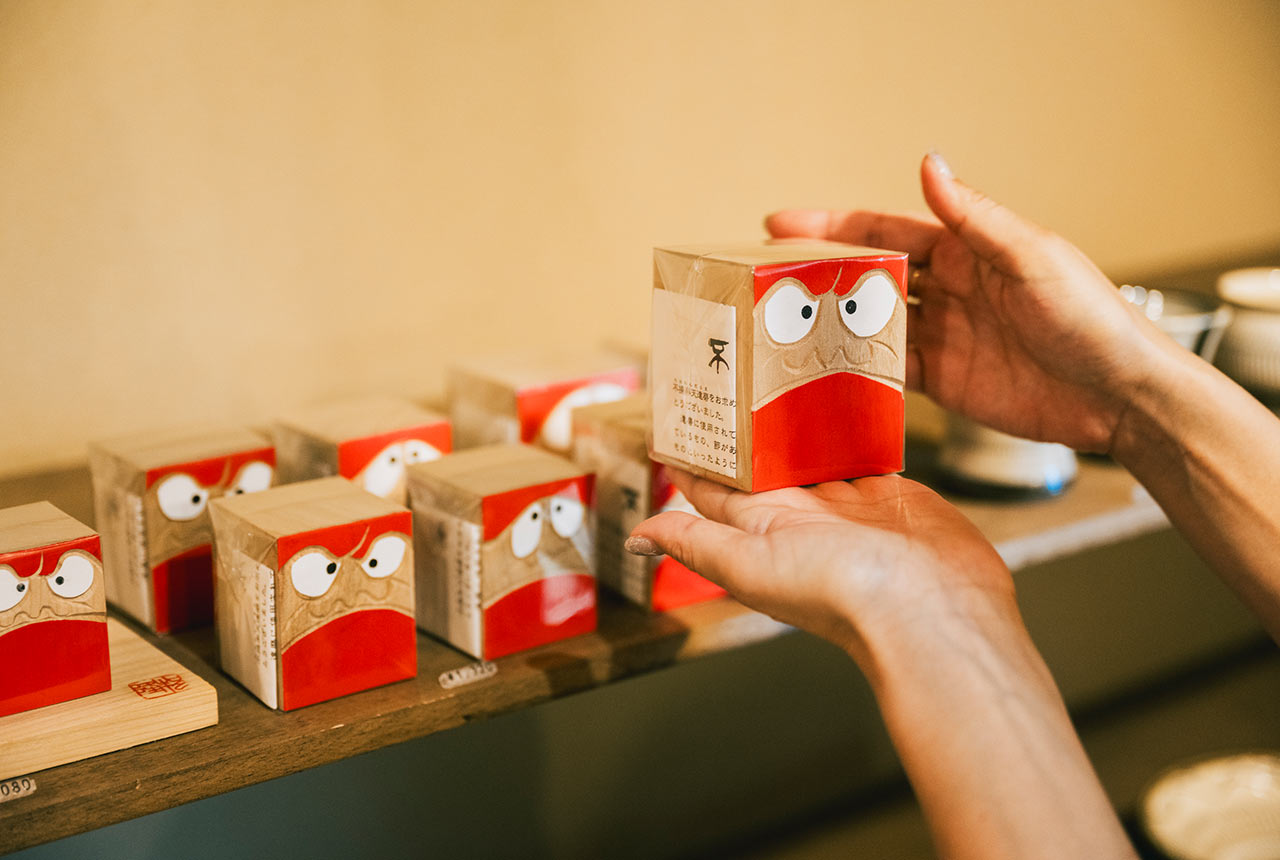
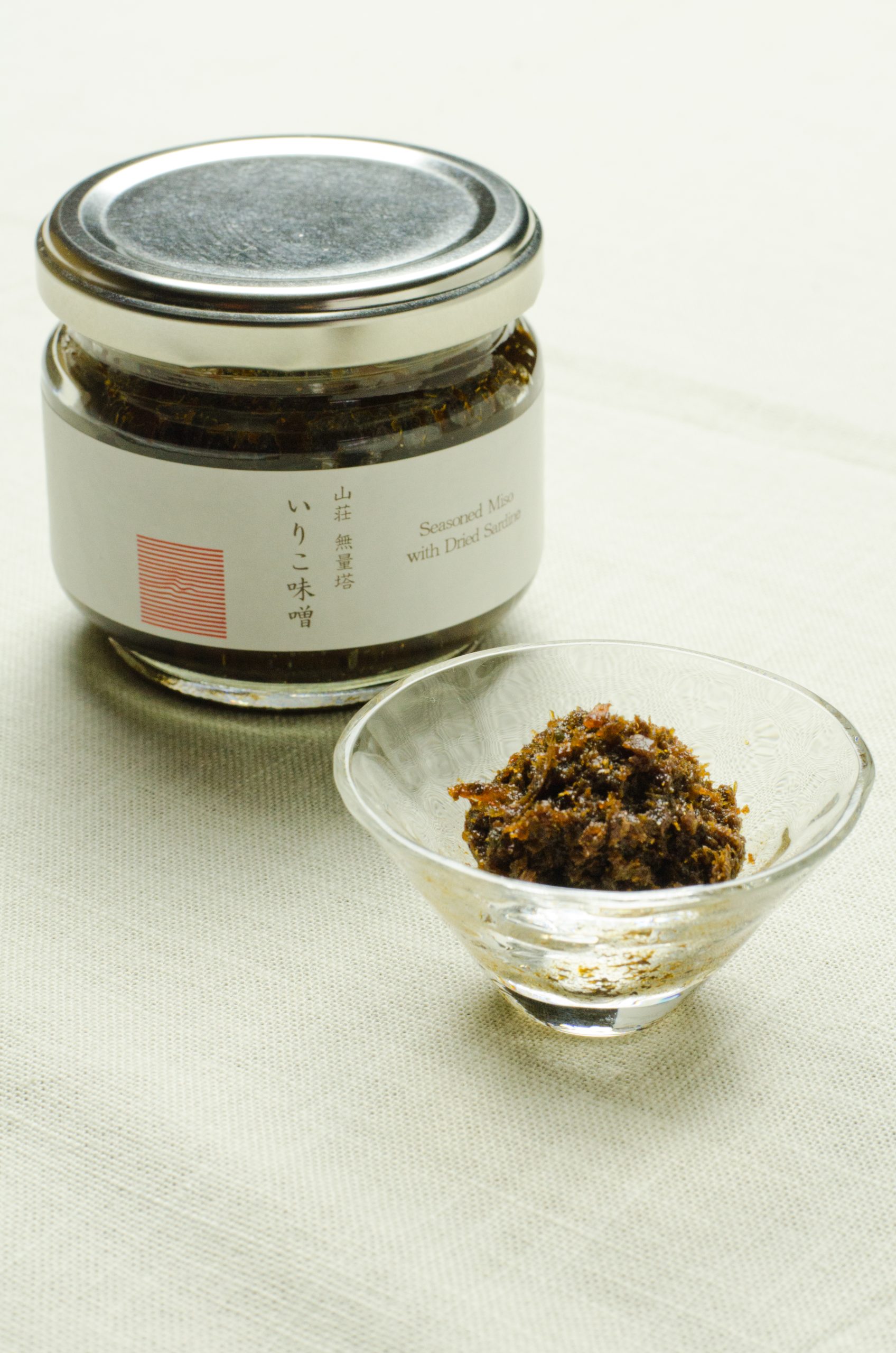
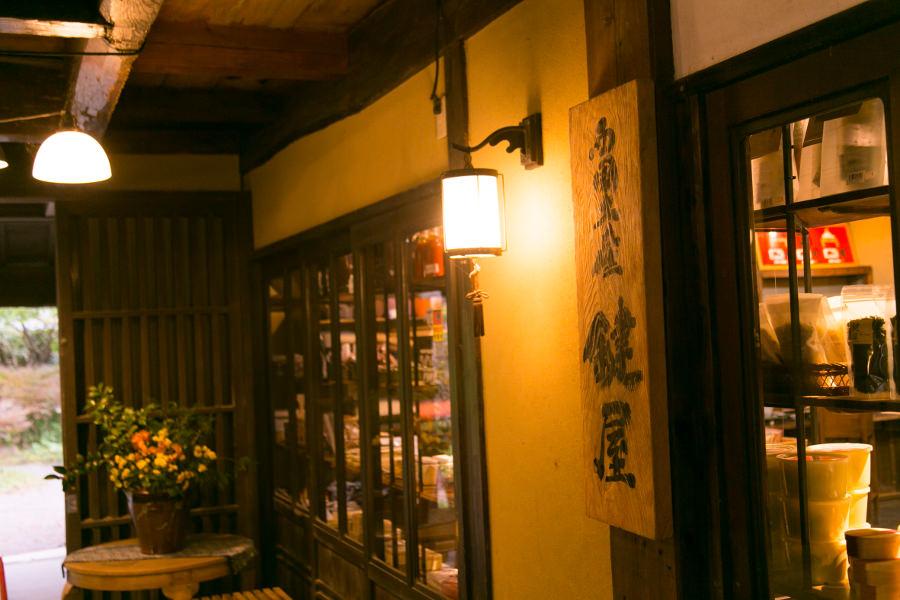
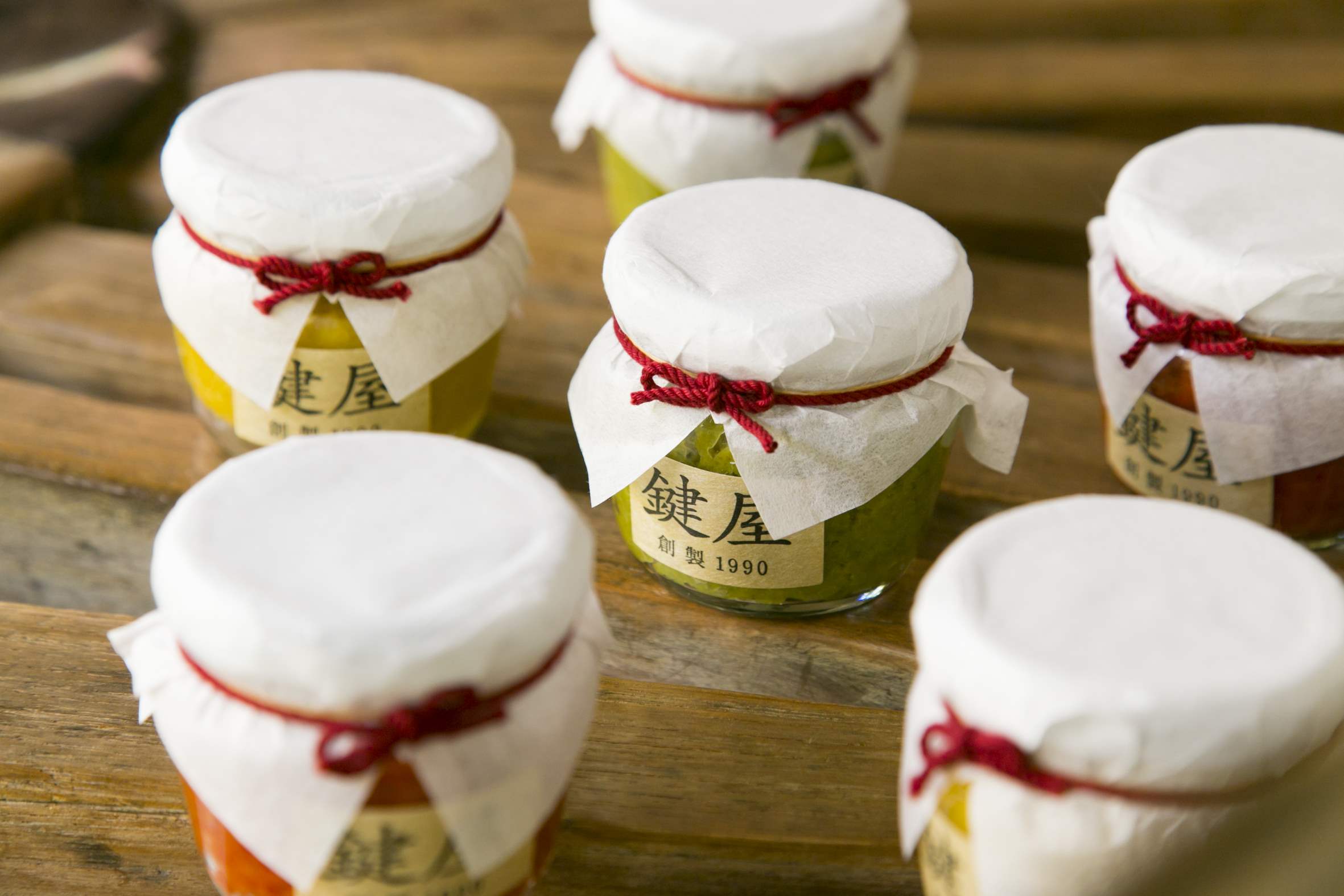
Local Oita products curated with care: yuzu pepper, grain mustard, original blend coffee, iriko miso, and Theo Murata chocolate. Works by local Oita artisans alongside the inn's own label goods. The kind of shop where you go in for one thing and leave with several.
Kyushu and its surrounding islands are woven into the geography of Studio Ghibli. Some of the most iconic landscapes in Miyazaki's films were drawn from places you can actually walk through.


The ancient cedar forest on Yakushima island — moss-covered boulders, cold clear streams, deer crossing in the light. This is the forest that Miyazaki walked through before drawing the world of Princess Mononoke. A short domestic flight from Fukuoka or Kagoshima.

A vast volcanic grassland inside the caldera of Mt. Aso. Horses graze beside a still lake at the center of the plain, the crater walls rising all around. The scale feels impossible. The visual language of many Ghibli landscapes makes more sense once you've stood here. About 1.5 hours from Yufuin.

The mist that fills the Yufuin basin every morning — slow, thick, silent — has the same quality as the world Chihiro walks into. The valley, the wooden inn, the sense of time suspended: Yufuin doesn't reference any single Ghibli film, but it feels, unmistakably, like one.

Beyond Shiratani, Yakushima's interior is a UNESCO World Heritage forest of extraordinary density — ヤクスギ cedars growing for over a thousand years, their roots tangled over moss-covered boulders. The island's ecology informed not just Mononoke but the visual vocabulary of the entire Ghibli catalog.
Everyone is invited to stay at 山荘わらび野 on the night of the wedding, where we've arranged special accommodations for our guests. For those extending their trip or looking for additional options, here are some other places worth knowing about.
Sanso Warabino is introduced in full in the Dinner & Reception section above. Sanso Murata — home to the ceremony venue アルテジオ — is covered in detail in Around Town under "The Ceremony Venue Complex," including the bar, soba restaurant, and gift shop on the grounds.
Our home for the wedding. Every room is a suite with a private natural hot spring bath. Stone architecture, forest garden, kaiseki using local Ōita ingredients, and the 檀香梅 salon. Booking details to follow from us directly.
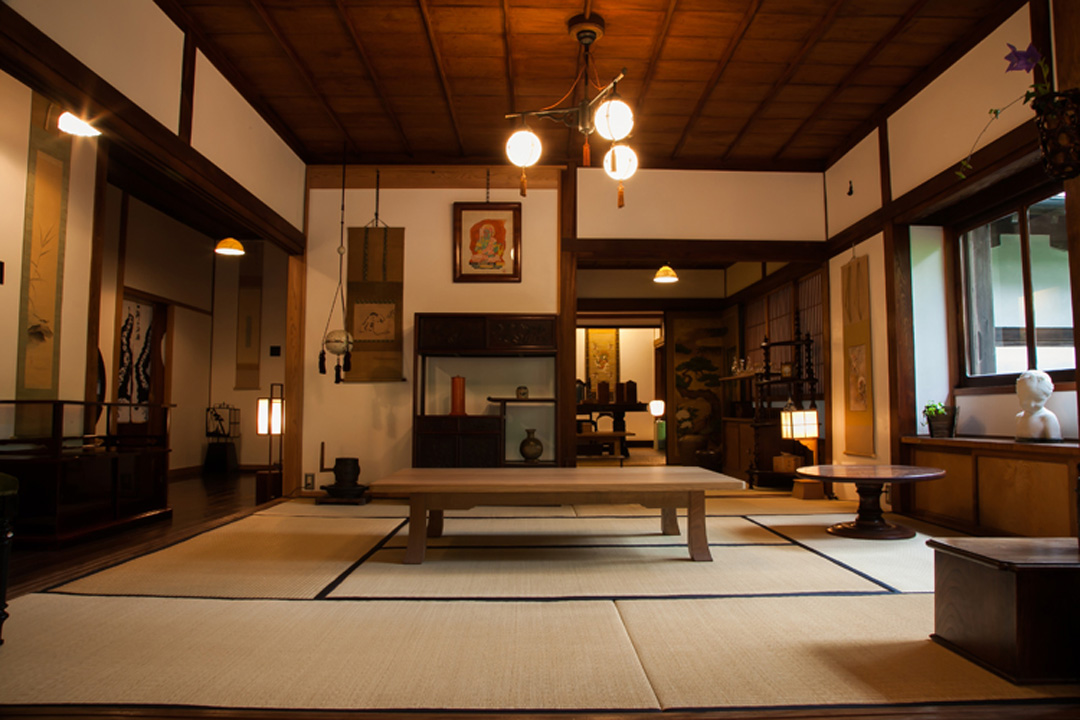
The most private of the area's celebrated inns — stone paths through forest, a library-like whisky bar, antiques. Also home to 空想の森 アルテジオ, the museum where the ceremony will be held.
→ Covered in full in the Around Town section above, including Tan's Bar, the soba restaurant 不生庵, and the gift shop 藏拙.
One of the original inns that defined what Yufuin would become. Beautiful, carefully tended gardens — in spring, flowers in terracotta pots line every path — and one of the finest onsen in the region. The interiors feel warm and considered: long wooden tables, bookshelves behind glass at night, the glow of a well-loved place.
Out front there are two wooden rocking horses. They have been there for as long as Suzuka can remember. She rode them as a child — once fell off one and ruined a new dress, which she has never forgotten. Once she made a friend on the other horse, a boy around her age, whose name she never learned. They are still there.


The oldest of the celebrated inns. The sake bar 湯の岳庵 draws visitors from across Japan. A place that carries its history lightly. Book well in advance.
A 古民家 inn — a beautifully preserved traditional Japanese farmhouse — at a more accessible price point. Well-located, quiet, with good onsen. A lovely option if you're staying a few extra nights and want something with character without the splurge. Book early.